

This is the moment when homes reveal their true character. Without the glitter and garland, without the visual noise of seasonal displays, what remains? For many people, the answer is disappointing – spaces that worked fine under holiday camouflage suddenly feel sparse, cold, or just... incomplete. But this exposure isn't a problem. It's an invitation.
The New Year doesn't demand dramatic home transformations or expensive renovations. What it offers is the chance to build genuine, lasting comfort in the spaces where you'll actually live through the long winter months ahead. And that comfort starts with the most fundamental element of any lived-in space: somewhere truly comfortable to sit.
The Post-Holiday Quietness: Embracing What Remains
There's a particular quality to homes in early January that's hard to capture any other time of year. The holiday momentum has stopped, but spring energy hasn't yet begun. What fills this in-between space is... nothing. And nothing, it turns out, can be exactly what we need.

Finding Beauty in Subtraction
Holiday decorating is about addition – more lights, more color, more everything. January offers the opposite opportunity: discovering what your space looks like when nothing's competing for attention. This stripped-back aesthetic might feel wrong initially, especially if you're used to visual abundance.
The cushions that remain after holiday pillows get packed away reveal their true value. Are they actually comfortable, or were they just filling space? Do they invite you to sit and stay, or are they merely functional? This honest assessment creates the baseline for building genuine comfort rather than just adequate seating.
The Winter Reality Check
Winter forces honesty about home comfort because there's nowhere else to go. Summer lets you escape outdoors, spring pulls you into the garden, fall offers brisk walks and patio time. But deep winter? Winter means living in your space, truly inhabiting it for extended periods.
This extended indoor time reveals every uncomfortable chair, every too-hard bench, every spot that looks fine but feels wrong after fifteen minutes. The bench cushions that worked adequately for occasional use suddenly matter tremendously when you're sitting there daily. The reading chair that was "good enough" becomes an active irritation when it's your primary retreat space.
January's gift is making these inadequacies obvious while there's still plenty of winter left to fix them.
The Case for Neutral Comfort
When holiday colors pack away, many homes feel washed out – like the life has been drained along with the red and green. This is actually a design problem disguised as a seasonal issue. Spaces that depend entirely on decorative color for visual interest will always feel incomplete when those elements disappear.

Understanding Neutral Doesn't Mean Boring
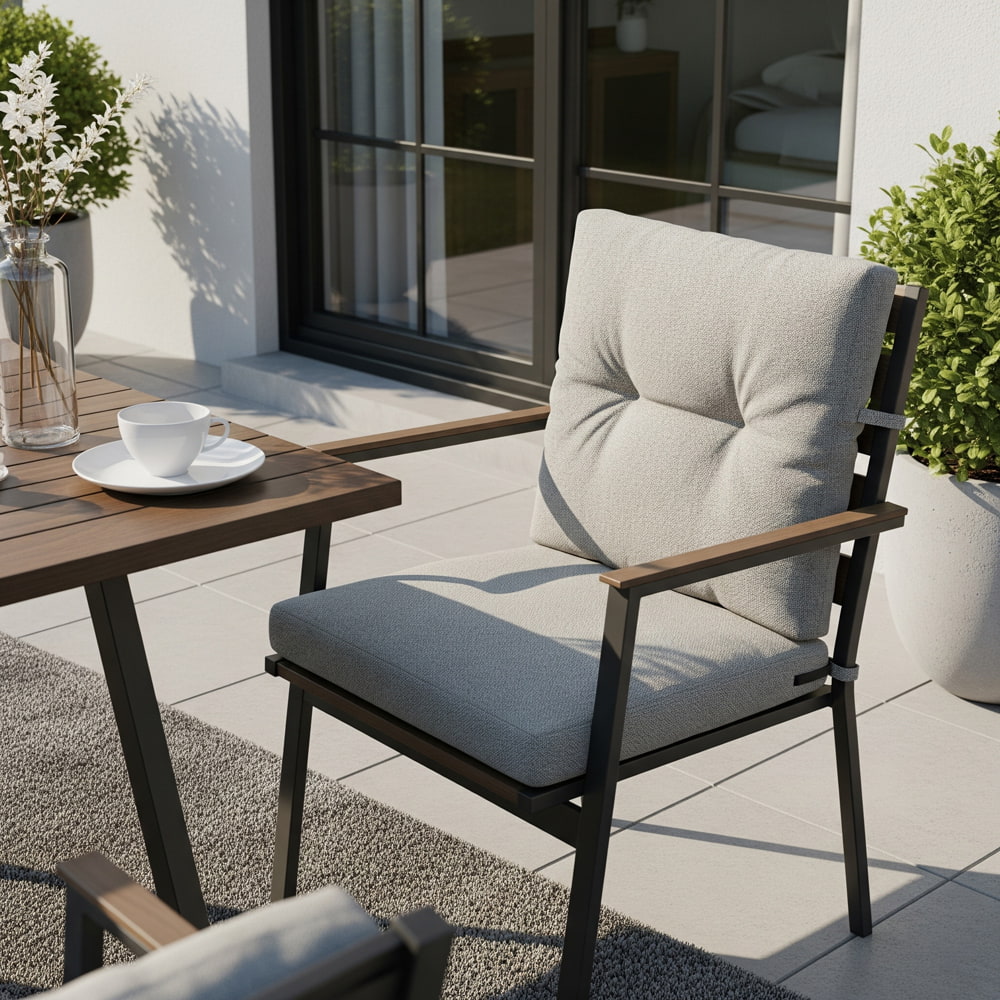
The word "neutral" carries unfortunate associations with bland, safe, or uninspired. But true neutrals – the warm taupes, soft grays, creamy ivories – possess subtle complexity that becomes more interesting over time rather than less.
Comforting without yellowness
Cool but not cold
Perfect middle ground
Barely-there green
These colors work because they don't demand attention. They create backdrop, allowing other elements – natural light, texture, the people using the space – to become focal points. This is particularly valuable in winter when natural light is limited and precious. Neutral cushions reflect whatever light exists rather than absorbing it into saturated color.
The Practical Benefits of Neutral Palettes
Beyond aesthetics, neutral cushions offer practical advantages for winter living:
- They coordinate with any seasonal decorating without needing replacement
- They show wear and soiling less obviously than pure whites or very dark colors
- They create cohesive flow between rooms without matching everything exactly
- They photograph well in various lighting conditions (important as daylight decreases)
- They maintain resale value better than trendy colors if selling cushions later
For families spending significant time indoors during winter, chair cushions in neutral tones prevent the visual fatigue that comes from being surrounded by intense color constantly. This isn't about eliminating color entirely – it's about creating peaceful base layers that allow color accents to work more effectively when you do use them.
Building Layers of Comfort
January comfort isn't built through single purchases but through thoughtful layering of elements that work together. The foundation starts with proper cushioning – not decorative, but actually supportive and comfortable for extended use.

The Foundation Layer
Start with your primary seating cushions – the ones that provide actual support. These should be:
- Firm enough to maintain shape but soft enough for comfort
- Properly sized for the furniture they're on (no gaps or overhangs)
- Covered in durable fabric that handles daily use
- Neutral in color for maximum versatility
- High enough quality to last multiple years
The 60-30-10 Comfort Rule
Spend 60% of your cushion budget on primary seating (sofas, main chairs, benches that get daily use), 30% on secondary seating (occasional chairs, window seats), and 10% on purely decorative accent pillows. This ensures comfort where it matters most while still allowing for aesthetic touches.
The Accent Layer
Once comfortable base cushions exist, accent layers add personality without overwhelming. This might include:
- One or two pillows in slightly different neutral tones for subtle variation
- A single pillow with minimal pattern or texture
- Throws that introduce different tactile experiences
- Seasonal touches that change every few months
The key is restraint. Post-holiday simplicity works because it's not trying to do everything at once. A single beautiful pillow makes more impact than five competing ones.
Creating Space for Winter Living
Winter living patterns differ from other seasons. People move slower, linger longer, nest more deliberately. Your home's comfort zones need to accommodate these behaviors rather than fight against them.

The Reading Retreat
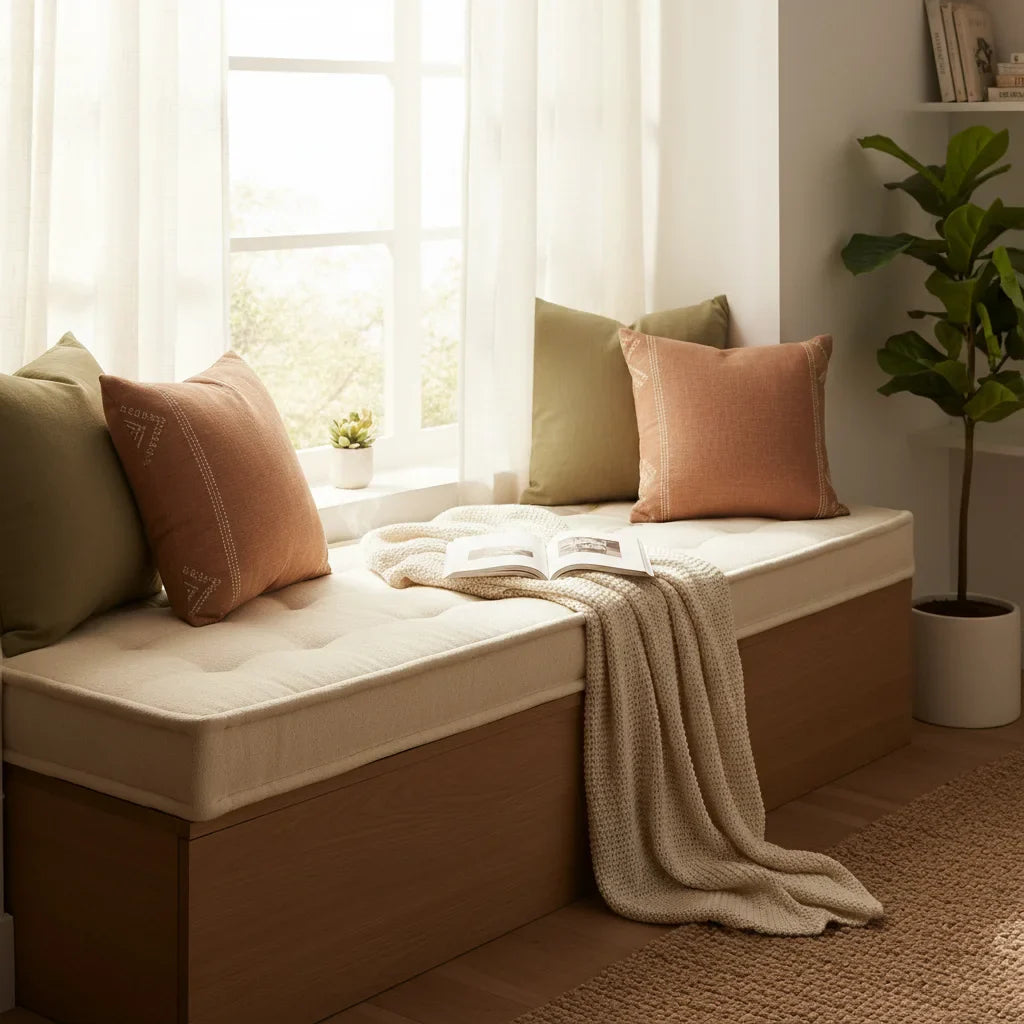
Every home needs at least one spot optimized for extended sitting with a book or tablet. This isn't about dedicating an entire room but about ensuring one chair or bench area provides genuine comfort for an hour or more at a time.
Elements that make reading spots work:
- Cushions with enough back support to prevent slouching
- Good natural light during day (artificial light at night)
- Side table or nearby surface for drinks and devices
- Away from main traffic flow but not isolated
- Comfortable enough that shifting position isn't constantly necessary
If you have window seats or bay window areas, January is the ideal time to address any comfort issues with proper cushioning. For spaces with unusual dimensions, custom cushions eliminate the gaps and slides that make standard cushions frustrating in non-standard spaces.
The Conversation Zone
Winter naturally brings more intimate gatherings – smaller groups, longer conversations, less come-and-go chaos. Your seating arrangements should facilitate actual discussion rather than just provide places to perch.
This means:
- Furniture arranged so people can easily see each other
- Comfortable enough that nobody's shifting around constantly
- Not so plush that getting up becomes difficult
- Balanced so no seat is obviously less comfortable than others
Before: Holiday Mode
Furniture pushed to walls for party flow, decorative pillows taking up sitting space, focus on visual presentation over actual comfort.
After: Winter Living
Furniture arranged for conversation, functional cushions optimized for sitting, focus on genuine comfort for extended use.
The Practical Transition Strategy
Moving from holiday energy to winter calm doesn't happen overnight, and it doesn't require replacing everything at once. The transition is gradual, intentional, and ultimately quite simple.

Week One: The Purge
Remove holiday decorations but don't immediately fill the space with new things. Live with the emptiness for a few days. Notice which areas feel sparse because they actually need something versus which areas just feel different because you're used to more visual noise.
This assessment period prevents impulse purchases and reveals where genuine comfort gaps exist.
Week Two: The Evaluation
Test your existing cushions honestly. Sit on each one for at least fifteen minutes. Read in each potential reading spot. Have a real conversation in your conversation areas. Which cushions are actually comfortable? Which look fine but feel inadequate?
Make notes – literal written notes – about what's working and what needs addressing. This prevents the vague dissatisfaction that leads to random purchases rather than strategic improvements.
Week Three: The Strategic Addition
Based on your evaluation, address the biggest comfort gaps first. If your main reading chair has an uncomfortable cushion, fix that before worrying about decorative accents. If your dining bench needs better padding, prioritize that over new throw pillows.
For spaces requiring custom solutions, order early in January. Even indoor spaces benefit from outdoor-grade fabrics during winter, particularly in homes where moisture from wet winter clothing or humidity fluctuations are concerns.
✨ New Year, New Comfort ✨
Start Fresh with Quality That Lasts
Automatic savings applied at checkout. Build the calm, comfortable home you deserve this winter.
Maintaining the Calm Through Winter
Creating peaceful spaces is one thing; maintaining them through months of daily use is another. Winter's extended indoor time means cushions experience consistent wear, and keeping spaces feeling fresh requires small, regular efforts.

Daily Micro-Maintenance
Spend two minutes each evening:
- Fluffing cushions to restore shape
- Straightening throws and accent pillows
- Removing any items that don't belong (mail, devices, random objects)
- Opening curtains to maximize next day's natural light
These tiny actions prevent the gradual decline that makes comfortable spaces feel neglected over time. It's not about maintaining showroom perfection but about keeping spaces inviting rather than letting them deteriorate into chaos.
Weekly Refresh
Once a week, do a more thorough refresh:
- Vacuum cushions to remove dust and debris
- Rotate cushions if they're reversible
- Assess whether any spots need cleaning
- Move furniture slightly if static indentations appear in carpet
This prevents small issues from becoming big problems while maintaining that "freshly arranged" feeling that makes spaces pleasant to use.
Beyond Winter: Building Year-Round Comfort
The calm spaces you create in January don't have to disappear when spring arrives. In fact, the neutral foundation you're building now becomes the base for seasonal transitions throughout the year.
The most successful homes aren't redecorated seasonally – they're built on comfortable foundations that accommodate seasonal changes without requiring complete overhauls.
Your neutral cushions work in summer with lighter throws and brighter accents. They work in fall with richer textures and warmer tones. They work at holidays with seasonal additions. The comfort remains constant while aesthetic touches change around it.
This approach is both more economical and more sustainable than seasonal replacement cycles. You're investing in quality pieces that serve multiple years rather than trendy items that feel dated within months.
The Real Fresh Start
New Year's resolutions fail because they're usually about forcing dramatic changes that don't align with how we actually live. But creating calm, comfortable spaces isn't about dramatic transformation – it's about honest assessment and strategic improvement.
The cushions you choose matter not because they're trendy or impressive but because they're the physical interface between your body and your furniture. Poor cushioning means discomfort, which means avoiding spaces, which means your home doesn't function as the refuge it should be during long winter months.
This January, give yourself permission to prioritize genuine comfort over visual drama. Choose the neutral tones that create calm rather than stimulation. Invest in cushions that will serve you for years rather than cheap solutions that need replacing by next winter.
Your home doesn't need to look like a magazine spread. It needs to feel like sanctuary – and that feeling starts with the fundamental comfort of having somewhere truly pleasant to sit, day after day, through whatever the season brings.
Start this New Year by creating spaces that support how you actually live, not how you think you should live. Choose comfort that lasts, colors that calm, and quality that endures. Your winter self – and your future self – will thank you for the investment.
Explore our collections of neutral, quality cushions designed for real life and lasting comfort. Create your calm space today.



Leave a comment
All comments are moderated before being published.
This site is protected by hCaptcha and the hCaptcha Privacy Policy and Terms of Service apply.