
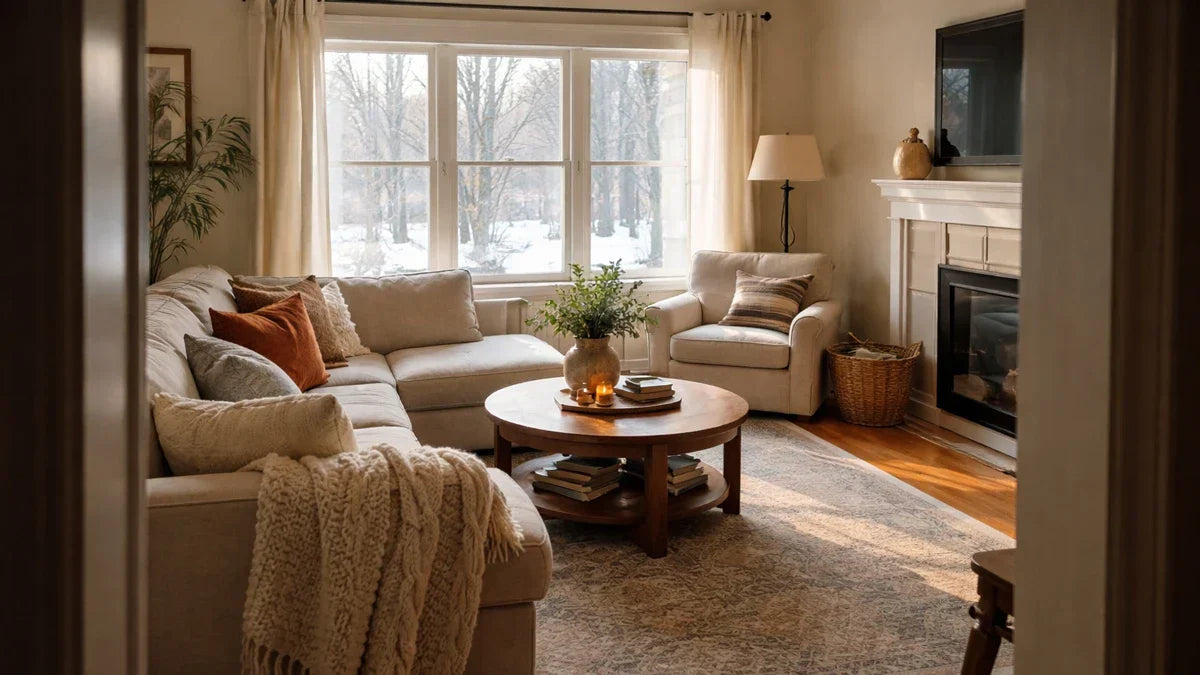
When the days are short and the nights are long, your space should work harder for you
Most people approach home comfort reactively, adding blankets when cold or lamps when dark. But winter comfort requires systematic thinking about how each space functions during extended indoor periods. Where does natural light fall throughout the day? Which seats actually get used versus which just occupy space? What activities happen where, and do those spaces support them properly?
The homes that feel best in winter aren't necessarily the newest or largest. They're the ones where someone paid attention to the relationship between human needs and physical space, then made intentional choices to support that relationship.
Understanding Winter Living Patterns
Before changing anything in your home, observe how you actually use it during winter. Not how you think you should use it, or how it's arranged to be used, but your real behavior patterns over a typical week.

The Light Migration
People unconsciously follow available light throughout the day. Morning sun might pull you to the kitchen table. Afternoon light makes the living room appealing. Evening darkness drives everyone to well-lit corners. Track where you naturally gravitate at different times – that reveals which spaces need comfort optimization.
If you find yourself standing in certain rooms because sitting options aren't comfortable, that's a design problem masquerading as a preference. Quality cushioning in those high-light areas transforms them from places you pass through to spaces you actually inhabit.
Activity Zones vs. Rest Zones
Winter homes need both energizing spaces and calming ones. Activity zones accommodate work, hobbies, meal preparation, exercise. Rest zones support reading, napping, quiet conversation, contemplation. Many homes fail at comfort because they don't clearly differentiate these functions.
The Zone Audit
Map your home by function, not by room names. "Dining room" might actually function as a workspace. "Living room" might be where active playing happens. Design for actual use patterns, not architectural labels.
Once you understand which spaces serve which purposes, you can optimize cushioning and furniture arrangement to support those functions rather than fight them.
Building Comfort Foundations Room by Room
Each space in your home has different comfort requirements based on how it's used during winter months. Generic solutions rarely work well – what makes a reading corner comfortable differs fundamentally from what makes a dining area work.

The Dining Area Challenge
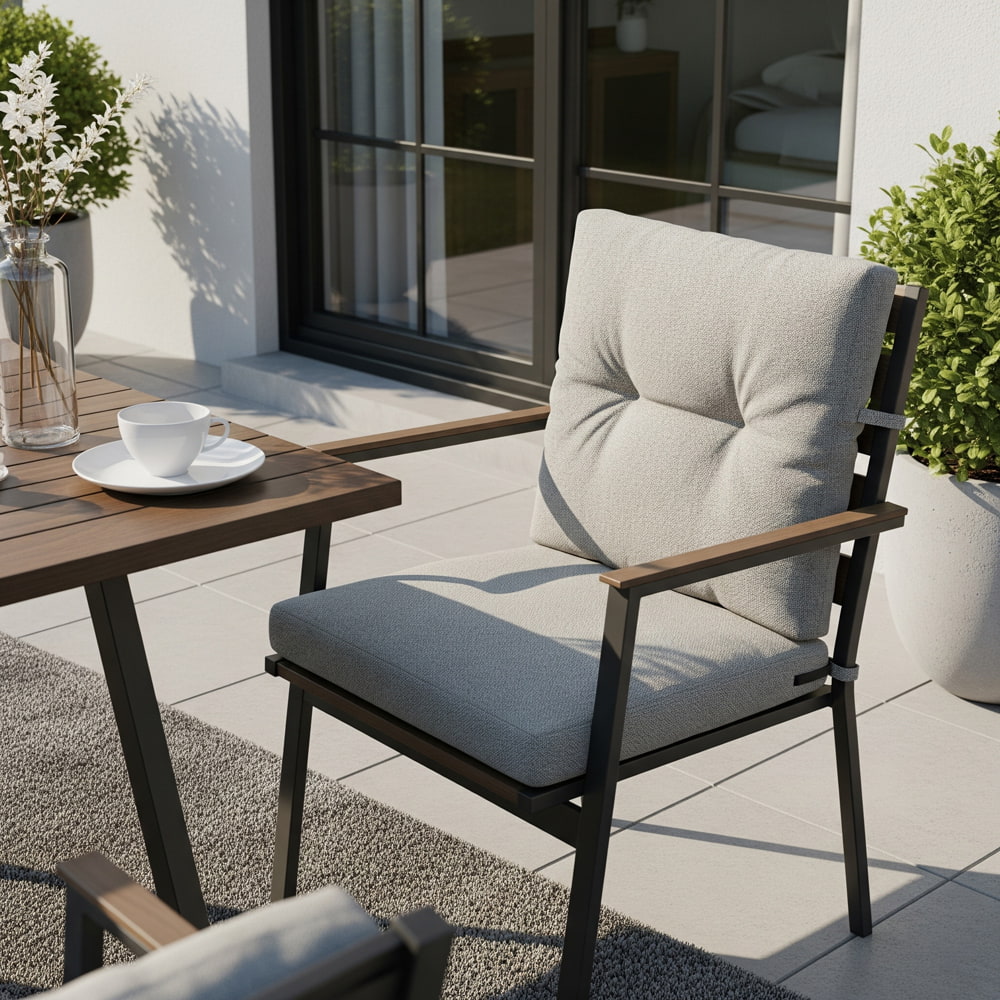
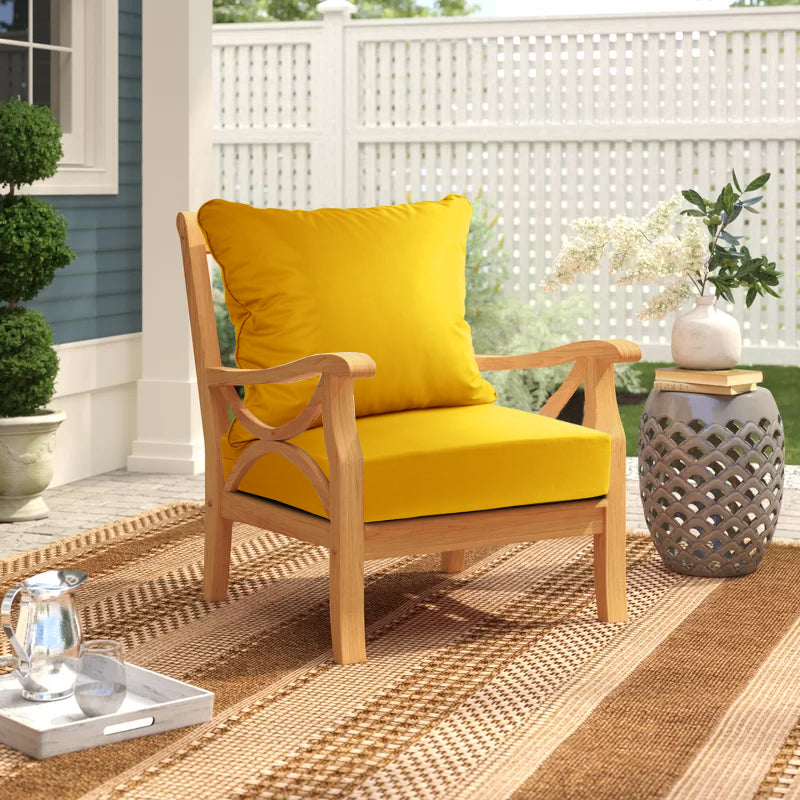
Winter means longer meals – breakfast lingers because nobody's rushing outside, dinners extend as darkness falls early. Chairs that were adequate for quick summer meals become torture devices during extended sitting.
Dining Comfort Essentials:
- Cushions thick enough to prevent pressure points during hour-plus meals
- Back support if chairs have it, or lumbar cushions if they don't
- Stain-resistant fabrics for inevitable spills (soups, stews, hot chocolate)
- Easy-clean surfaces since dining cushions get daily exposure to food
- Coordinated appearance so the space feels intentional rather than cobbled together
For families spending significant time at the table during winter months, investing in proper chair cushions prevents the gradual avoidance that happens when seating is uncomfortable. People find excuses to leave the table early, eat elsewhere, or skip family meals entirely when chairs hurt after twenty minutes.
The Living Room Ecosystem
Living rooms often try to serve too many functions without supporting any of them well. One person wants to read, another to work on a laptop, kids to play, someone else to nap. Without designated spots optimized for these different activities, everyone's vaguely uncomfortable.

Create micro-zones within the larger room:
- The Reading Zone: One exceptionally comfortable chair with excellent lighting, side table for drinks and books, positioned to minimize traffic disruption
- The Conversation Zone: Seating arranged for face-to-face interaction without uncomfortable angles, cushions comfortable for extended sitting but not so soft people sink in
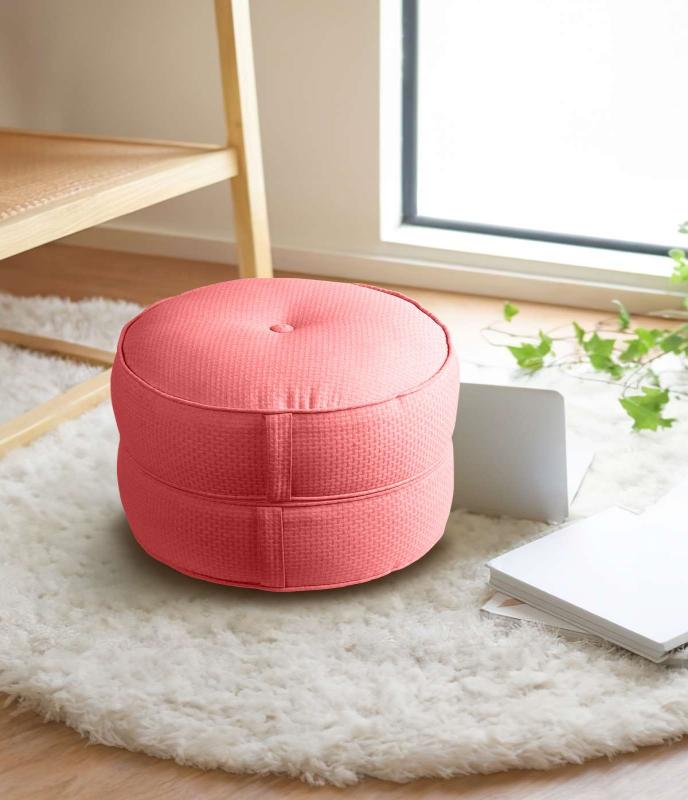
- The Flex Zone: Open floor space with scattered floor cushions that accommodate different activities from yoga to kids playing to informal lounging
This zoning doesn't require walls or major construction – it's about thoughtful furniture placement and providing appropriate cushioning for each zone's primary function.
🛋️ Custom Floor Cushions for Flexible Living
Large floor cushions create instant comfortable seating wherever needed. Perfect for winter's unpredictable activity needs – reading by the fireplace, kids' play areas, extra seating when guests visit, meditation or stretching spots.
Why they work: Moveable, stackable, accommodates multiple uses, adds visual warmth to empty floor areas
Explore Floor Cushions →Bedrooms Beyond Sleeping
Winter bedrooms serve functions beyond sleep. They're dressing areas in cold mornings, reading retreats on weekend afternoons, quiet work spaces when the rest of the house is chaotic. Yet most bedrooms only optimize for sleeping.
Morning Function
A cushioned bench or chair near the closet transforms the painful process of getting dressed in a cold room. Somewhere to sit while putting on shoes and socks makes a genuine difference in morning comfort.
Evening Retreat
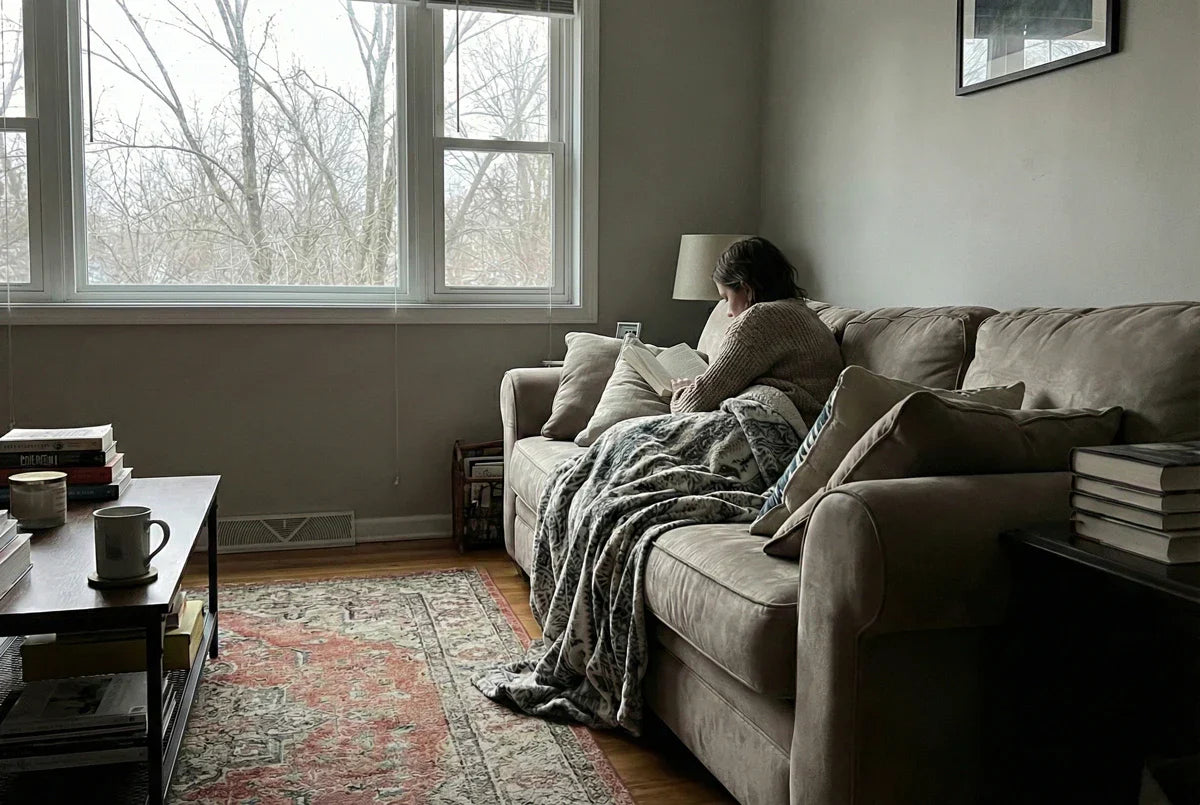
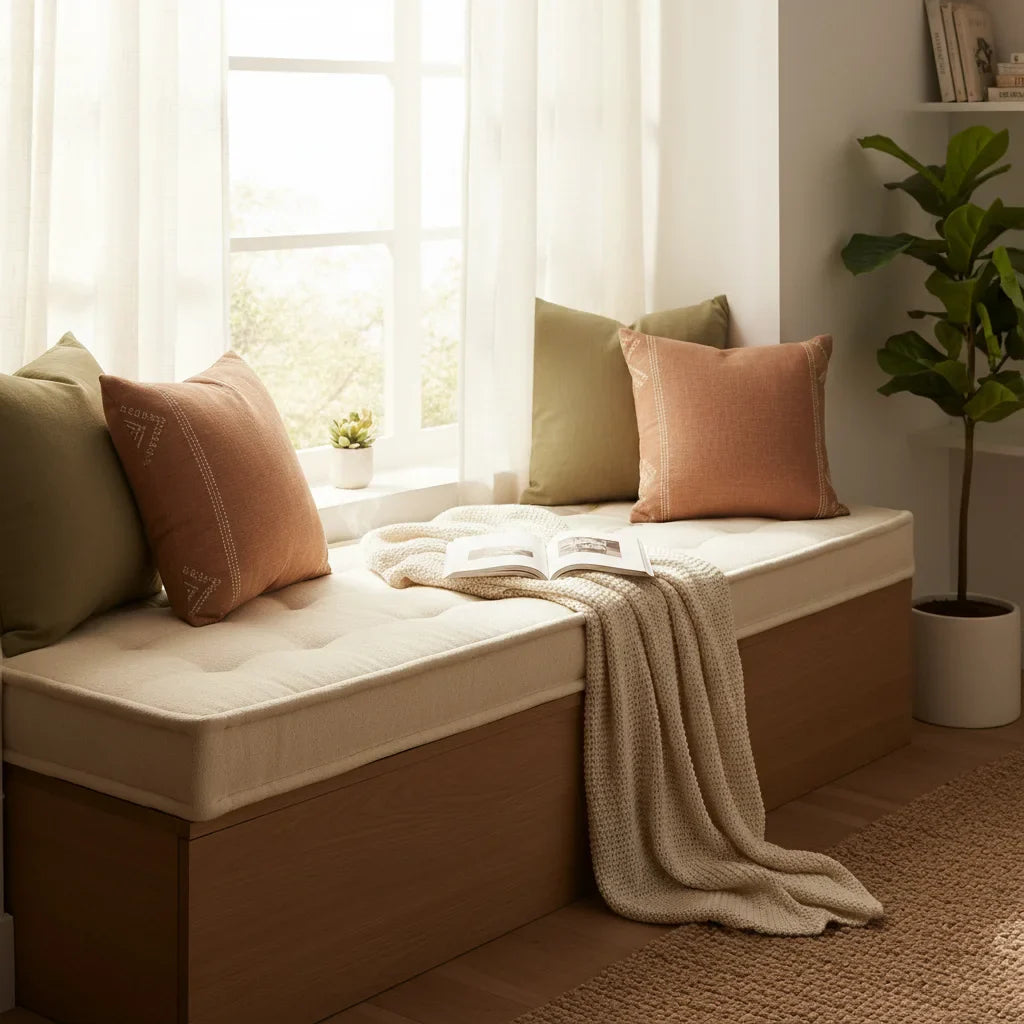
A properly cushioned reading chair or window seat provides escape space when you need separation from household activity but aren't ready for bed. This distinction between "in bedroom" and "in bed" extends usable living space significantly.
The Natural Light Strategy
Winter's limited daylight makes natural light precious. Every ray of sun that enters your home should be maximized, not blocked by poorly positioned furniture or absorbed by dark surfaces that don't reflect it back.
Furniture Placement for Light
Don't put your most comfortable seating in the darkest corners – that guarantees those spots won't get used during prime daytime hours. Position your best cushioned furniture where natural light falls during the times you're home and awake.
"Comfort follows light in winter. Optimize for both simultaneously rather than treating them as separate design considerations."
The 10am-4pm Rule: Observe where natural light falls in your home between 10am and 4pm on a typical winter day. These are your premium real estate hours for seating placement. Put your most comfortable, most-used furniture in these light zones.
Reflective Strategies
Light-colored cushions and fabrics reflect available light back into the room, making spaces feel brighter and more open. This isn't just aesthetic – it's functional during months when every bit of brightness matters psychologically.
Neutral cushions in cream, soft gray, or warm taupe amplify whatever natural light exists. They also photograph better in low light conditions, which matters more than you'd think – winter homes should still feel share-worthy and visually pleasant, not dark and depressing.
Layering Warmth and Texture
Physical warmth and perceived warmth work together to create comfort. A room can be heated to 70 degrees yet still feel cold if visual and tactile elements don't support warmth perception.

The Base Layer Philosophy
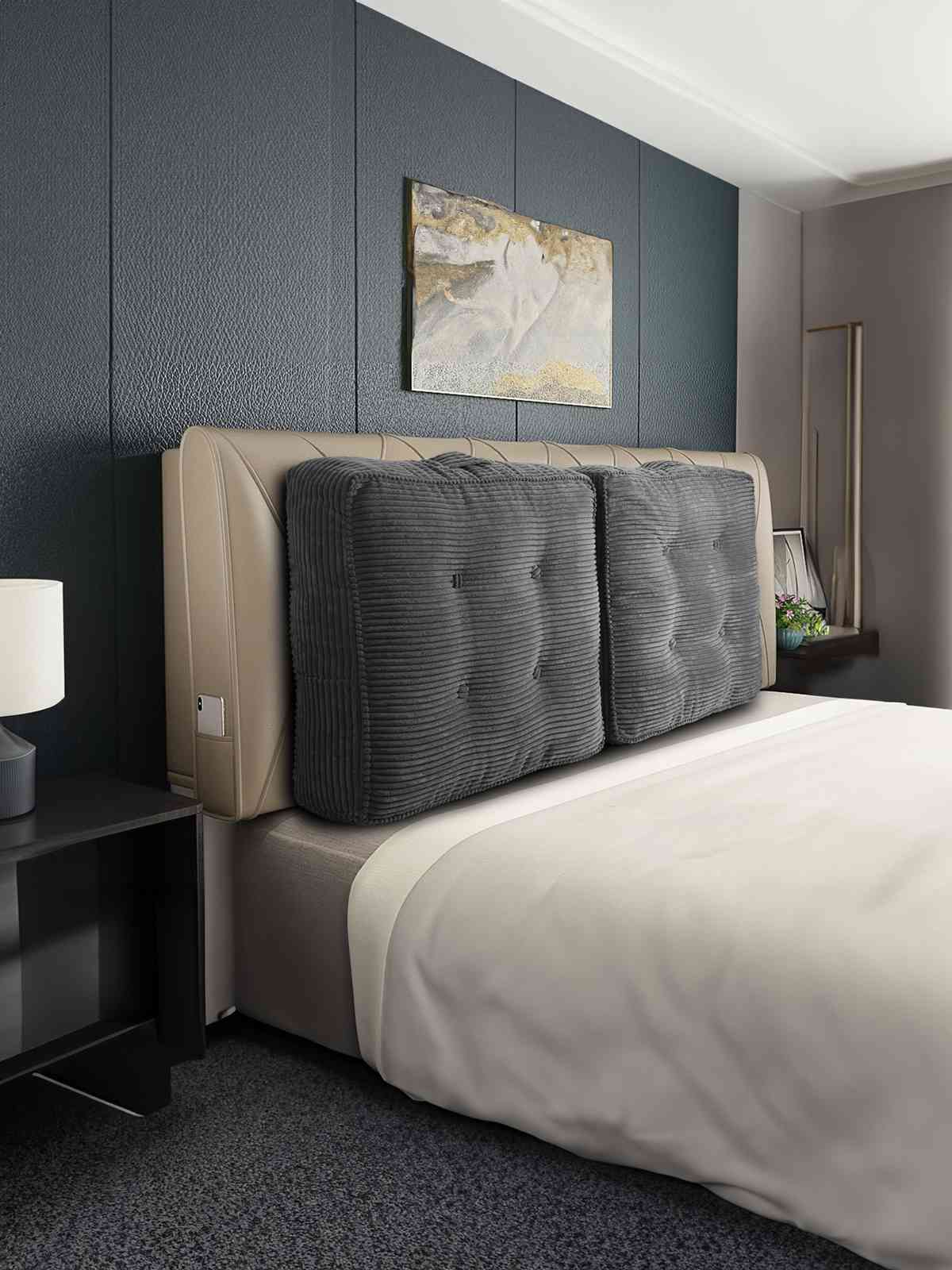
Start with substantial, quality cushions as your foundation. These provide actual physical comfort and visual weight that makes spaces feel grounded and intentional. Skimping here means everything built on top feels insubstantial.
For benches and seating that gets daily winter use, proper cushion thickness matters more than decorative elements. A thin cushion with beautiful pillows on top still feels inadequate. A quality base cushion works even without additional accessories.
Accent Layers
Once comfortable base cushions exist, add texture through:
- Throws in different materials (wool, fleece, chunky knit)
- Accent pillows with varied textures (velvet, linen, bouclé)
- Layered rugs if floors feel cold
- Curtains that add visual warmth even when open
These layers shouldn't overwhelm – restraint creates sophistication. Two or three well-chosen textural elements per space work better than trying to incorporate every cozy material you find.
The Touch Test
Every surface people touch frequently in winter should feel pleasant. Cold leather, scratchy fabric, hard wood – these tactile negatives accumulate into an overall sense of discomfort even if the room looks good. Walk through your home and actually touch the surfaces you interact with daily. How many feel pleasant versus merely tolerable?
Creating Activity-Appropriate Comfort
Not all comfort is the same. Reading comfort differs from working comfort differs from conversation comfort. Designing for generic "coziness" often means nothing works optimally for its intended use.

Work-from-Home Considerations
Winter means more indoor time, which often means more working from home. Dining chairs repurposed for desk work cause back pain. Couches seem comfortable initially but destroy posture over extended periods. Proper work seating requires firm support, not soft sinking.
If working from home is part of your winter reality, invest in appropriate cushioning for your work seating. This might mean firmer cushions than you'd choose for relaxation spaces, with specific lumbar support and seat depth suited to desk height.
Hobby and Activity Spaces
Winter hobbies often happen at home – crafting, reading, puzzles, board games, indoor exercise. Each activity has cushioning requirements based on the physical positions it demands.
Activity-Specific Cushioning:
- Crafting/Detailed Work: Firm cushions at proper height for extended sitting, good back support, easy to clean fabrics
- Reading/Leisure: Softer cushions that allow settling in, back support, comfortable for side-sitting or leg-tucking
- Gaming/Entertainment: Medium-firm cushions, accommodating various positions, durable fabrics that handle movement
- Exercise/Yoga: Floor cushions or mats that provide cushioning without instability, easy to move and store
The Maintenance Reality
Winter comfort requires maintenance. Extended indoor time means cushions accumulate more wear, dirt, and compression in a few winter months than in entire spring and summer seasons combined.

Weekly Micro-Maintenance
Small regular efforts prevent large problems:
- Vacuum cushions to remove dust and debris that accumulates from constant use
- Fluff and rotate cushions to distribute wear evenly
- Address spills immediately before they set into fabric
- Open windows briefly on warmer days to air out cushions and prevent musty odors
This maintenance isn't about perfection – it's about preventing the gradual decline that makes comfortable spaces feel neglected over time.
Monthly Deep Care
Once monthly through winter, do more thorough cushion care. Remove cushion covers if possible and wash according to fabric guidelines. Spot-clean any stains that developed since last deep cleaning. Check for any damage or wear that needs addressing before it worsens.
For cushions without removable covers, professional cleaning once during winter extends their lifespan and maintains comfort. This is particularly important for dining cushions and high-traffic seating that experiences daily use.
🎨 Custom Cushion Covers for Easy Refresh
Washable covers mean maintaining winter comfort without constant professional cleaning. Swap covers seasonally or when they need washing, keeping your base cushions protected and your spaces looking fresh.
Practical benefit: One set of cushion cores, multiple cover options for different seasons or easy cleaning rotation
Shop Cushion Covers →Planning for the Long Haul
We're only halfway through winter in most regions. February and March still bring cold, dark days requiring comfortable indoor spaces. The comfort investments you make now pay dividends through the remainder of the season.

Assess what's working and what isn't in your current setup. Make strategic improvements while winter remains in full force, giving you maximum benefit from changes.
Peak indoor time for many regions. This is when comfort matters most – days are still short, weather unpredictable, outdoor activities limited.
Spring approaches but cold snaps still happen. Maintaining comfort through these final winter weeks prevents the misery of being caught unprepared during late-season cold.
Investment vs. Band-Aid
Adding more throw blankets doesn't fix uncomfortable seating. Brighter light bulbs don't solve poor furniture arrangement. Real comfort comes from addressing root causes – inadequate cushioning, poor space planning, furniture that doesn't support how you actually live.
The cost of quality cushioning feels significant until you calculate it per-day over the years you'll use them. A $200 custom cushion used daily for five years costs $0.11 per day. That's cheaper than coffee, and arguably more important to daily quality of life.
❄️ Winter Comfort Investment
Design Your Space Right, Once
Automatic savings at checkout. Build comfort that lasts through this winter and many more to come.
Beyond This Winter
The comfort systems you build for winter don't disappear when spring arrives. Quality cushions remain comfortable in summer – they just feel different when windows are open and time is less constrained indoors. Thoughtful furniture arrangement continues working regardless of season.
By optimizing your home for winter's demands, you're actually creating year-round improvements. Summer benefits from the same good lighting and comfortable seating, just with different accent elements and perhaps lighter textiles. Fall and spring become smoother transitions rather than scrambles to make spaces work.
The homes that feel comfortable in every season aren't the ones constantly redecorated – they're the ones built on solid foundations of functional design and genuine comfort that transcends temporary aesthetic trends.
Making It Real
Designing for winter comfort isn't about creating magazine-worthy spaces or following rigid design rules. It's about honest assessment of how you actually live during cold months, then making intentional choices to support that reality.
Start with one space – whichever room you use most during winter. Optimize that space completely before moving to the next. This focused approach creates immediate, noticeable improvement rather than spreading resources thin across your entire home.
Pay attention to your own behavior patterns. If you're avoiding certain seats, there's a reason. If family members gravitate to specific spots while others sit empty, there's a cause. These patterns reveal where comfort investment provides maximum return.
At Rulaer, we understand that winter demands more from home furnishings than any other season. Our custom cushioning solutions address the specific challenges of extended indoor time – durability for heavy use, easy maintenance for inevitable spills, genuine comfort for hours of daily sitting.
Winter is long, but it doesn't have to be uncomfortable. With intentional design choices and quality comfort foundations, your home can be the refuge it's meant to be – not just shelter from cold, but genuine sanctuary that supports how you actually want to live during the season's dark months.
Create spaces that work with winter rather than fighting against it. Design for the life you're actually living, not the one you imagine. And invest in comfort that lasts, because winter returns every year – you might as well be ready for it.


Leave a comment
All comments are moderated before being published.
This site is protected by hCaptcha and the hCaptcha Privacy Policy and Terms of Service apply.