
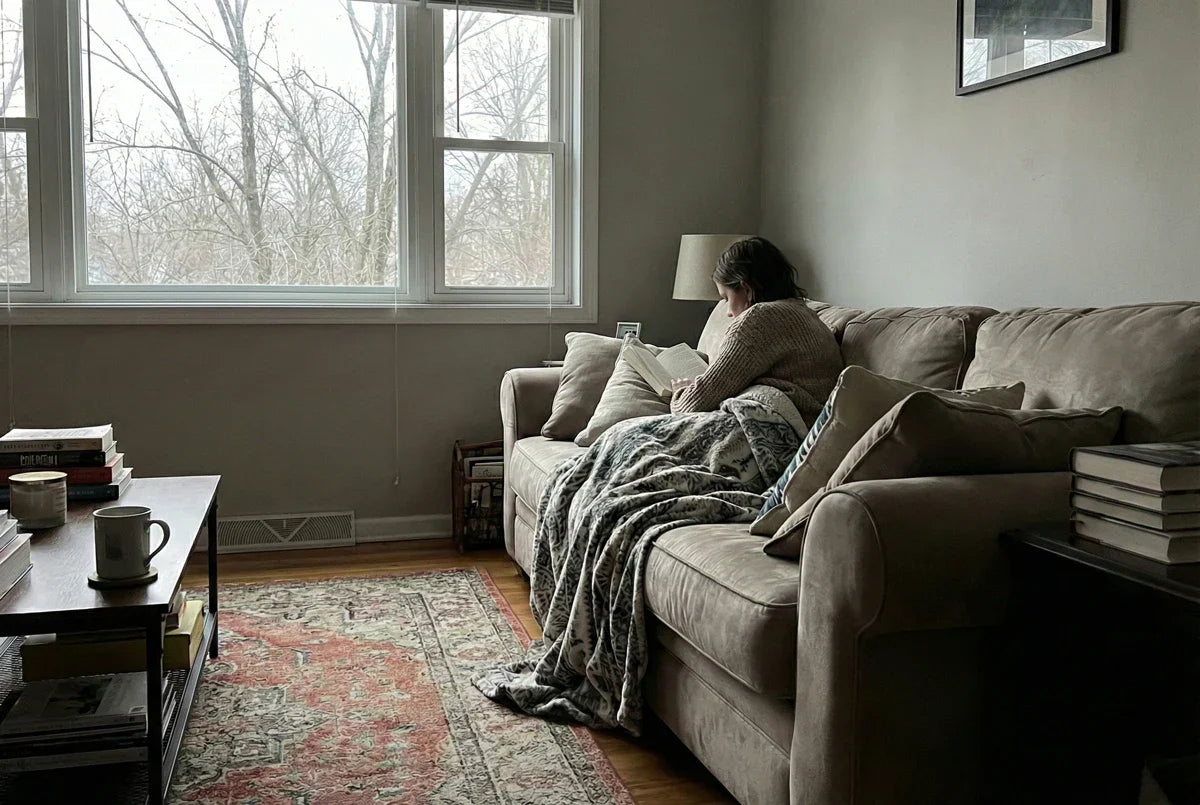
Most people buy cushions reactively—when something breaks completely, when guests are coming, when they can't ignore the problem anymore. But there's a smarter approach, and late winter is precisely when it makes the most sense. Not because of discounts or promotions, but because of timing and value.
The Late-Winter Reality Nobody Talks About
By late January, you've been spending serious time indoors for months. Your cushions have been supporting you through the entire holiday season, through January's cold spell, through all those work-from-home days when leaving the house felt optional at best.

The Accumulated Wear Pattern
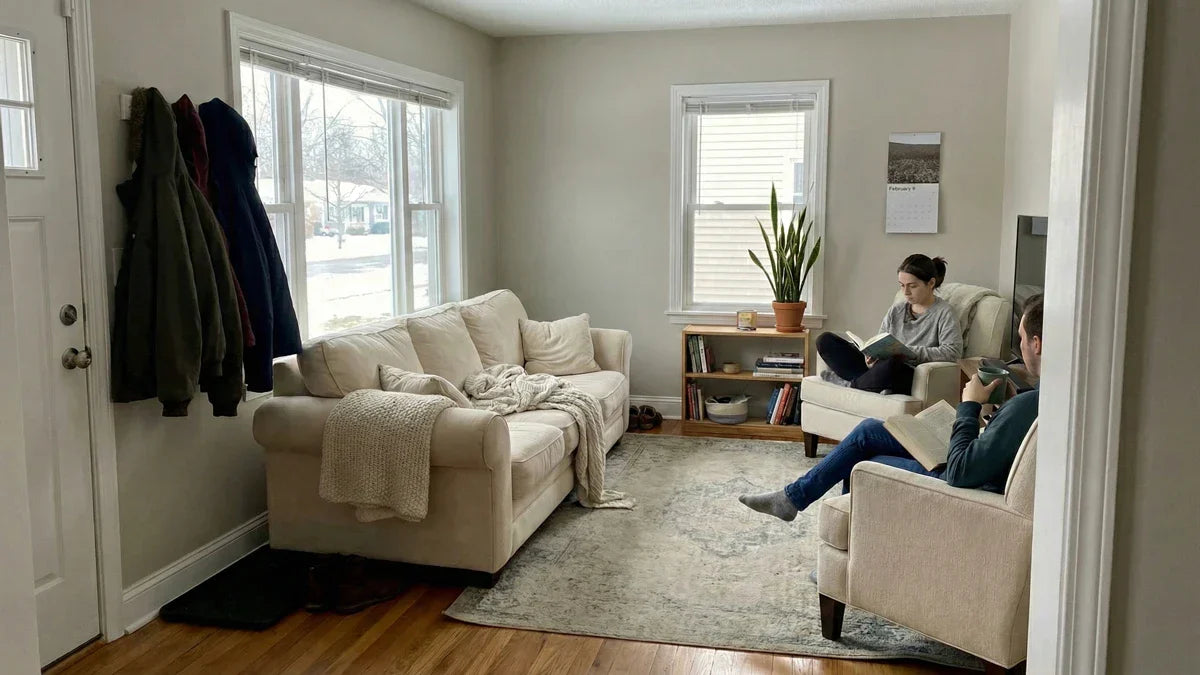
Winter doesn't just test cushions through single events—it tests them through sustained, repetitive use. Sitting for two-hour movie marathons. Working eight-hour days from the dining table. Reading entire books in one weekend sitting. This extended, consistent pressure reveals cushion failures that occasional use never would.
If your cushions have made it to late January without obvious problems, they're probably fine. But if you're noticing discomfort now—after months of heavy use—it's not going to magically improve. It's going to get worse as winter continues and then persist through spring and summer.
Why Late January Changes Everything
You still have February and March ahead—months when indoor comfort matters most. Upgrading now means getting immediate benefit during the season when you need it, rather than suffering through the rest of winter and then upgrading when outdoor time increases anyway.
Plus, you're making decisions based on actual experience, not holiday urgency or spring optimism. You know exactly how you've been using your furniture for months. That lived experience creates better decision-making.
The Extended Sitting Economy
Winter 2025 looks different than winters past. Remote work is normalized. Streaming means less going out to movies. Food delivery means fewer restaurant visits. The average person spends significantly more time sitting at home than a decade ago, and winter amplifies this pattern dramatically.

The Hours Add Up
Calculate your actual sitting time on a typical winter weekday:
- Morning coffee and breakfast: 30-45 minutes
- Work-from-home hours: 6-8 hours (if applicable)
- Dinner and evening relaxation: 2-3 hours
- Reading or entertainment before bed: 1-2 hours
That's easily 10+ hours daily on your cushions during winter months. Multiply by the 60+ days remaining in winter, and you're looking at 600+ hours of direct cushion contact before spring arrives. Poor cushions don't just cause momentary discomfort—they compound that discomfort across hundreds of hours.
The Work-From-Home Factor
If you work from home even occasionally, cushion quality becomes a professional concern, not just a comfort preference. Poor seating affects focus, causes fatigue, and leads to that 3pm slump where concentration becomes nearly impossible.
Ergonomic office chairs cost hundreds of dollars because companies understand that seating affects productivity. Yet many people try to work from home on dining chairs with inadequate or non-existent cushioning, then wonder why they feel exhausted by mid-afternoon.
Upgrading to proper chair cushions for your work-from-home setup isn't luxury—it's infrastructure investment that pays returns through better focus and reduced physical strain over the remaining winter months.
Why "Smart Time" Isn't About Price
Holiday sales create urgency through discounts. Spring sales push "refresh your home" messaging. But smart timing is about aligning purchases with actual need and maximum usage period.
Holiday Shopping Approach
- Buying under time pressure
- Focusing on appearance for guests
- Making decisions amid chaos
- Limited time for research
- Price-driven rather than value-driven
Late-Winter Strategic Approach
- Calm, considered decision-making
- Focus on actual comfort needs
- Choosing based on lived experience
- Time to properly measure and specify
- Value-driven based on usage patterns
The Usage Timeline Advantage
Buy cushions in late January, and you get:
- Immediate winter benefit: Two months of prime indoor time when comfort matters most
- Spring transition: Cushions are broken in and comfortable as outdoor time increases
- Summer efficiency: No emergency replacements when you'd rather be outside
- Fall readiness: Cushions are established before the next heavy-use season
Contrast this with buying in spring: you're replacing cushions just as you'll use them less, meaning by next winter they're already showing wear. Late-winter purchases align investment timing with usage reality.

The Custom Cushion Advantage in Late Winter
Standard cushions might seem like the quick solution, but late winter is when you have time to do things right. You're not rushing for holiday guests or spring parties—you can take the weeks needed for custom solutions that actually fit your furniture properly.
Why Custom Matters for Extended Sitting
During brief sits, ill-fitting cushions are merely annoying. During extended sits—which define winter living—poor fit becomes genuinely problematic. Cushions that slide forward, leave gaps at the back, or don't match seat depth cause constant micro-adjustments that accumulate into significant discomfort.
Custom cushions address specific issues:
- Exact dimensions mean no sliding or shifting during extended sitting
- Proper thickness for your specific chair height and leg length
- Firmness matched to usage pattern (softer for reading, firmer for working)
- Fabric selection based on actual usage (stain-resistant for dining, cozy for reading nooks)
The Measurement Opportunity
Late winter gives you unhurried time to measure properly. You're not estimating dimensions while rushing to beat holiday deadlines—you can sit in each spot, measure carefully, consider how you actually use the space.
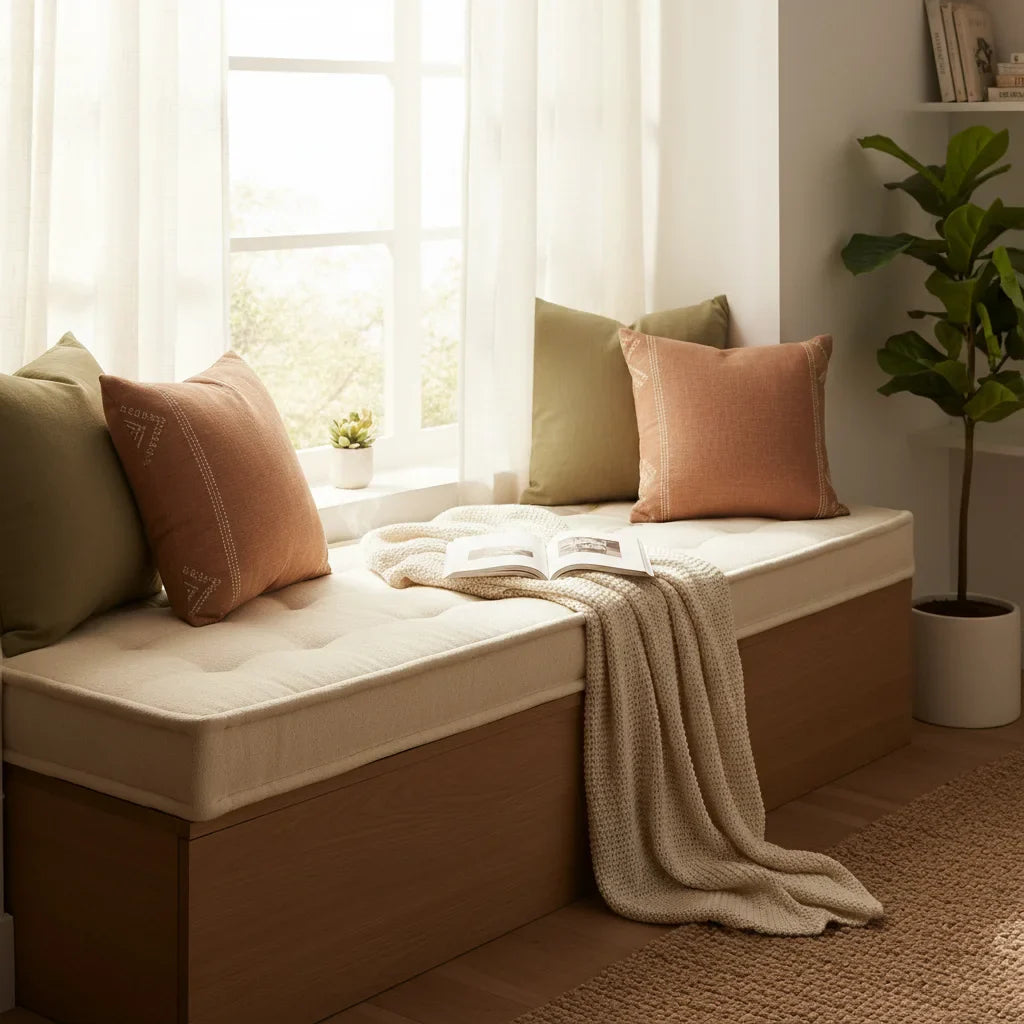
For furniture with unusual dimensions like custom benches or bay window seats, this careful measurement is the difference between cushions that work perfectly and cushions that are perpetually frustrating.
The best time to fix something is when you're actively experiencing the problem but not yet in crisis mode. That's late January for home comfort.
The Spring Preparation Angle
While comfort is the primary motivation, there's a practical secondary benefit: by upgrading cushions now, your spaces are guest-ready when spring gatherings begin. No scrambling in April when someone suggests an impromptu dinner party. No emergency purchases when you realize your outdoor seating is unusable as weather warms.

The Outdoor Transition
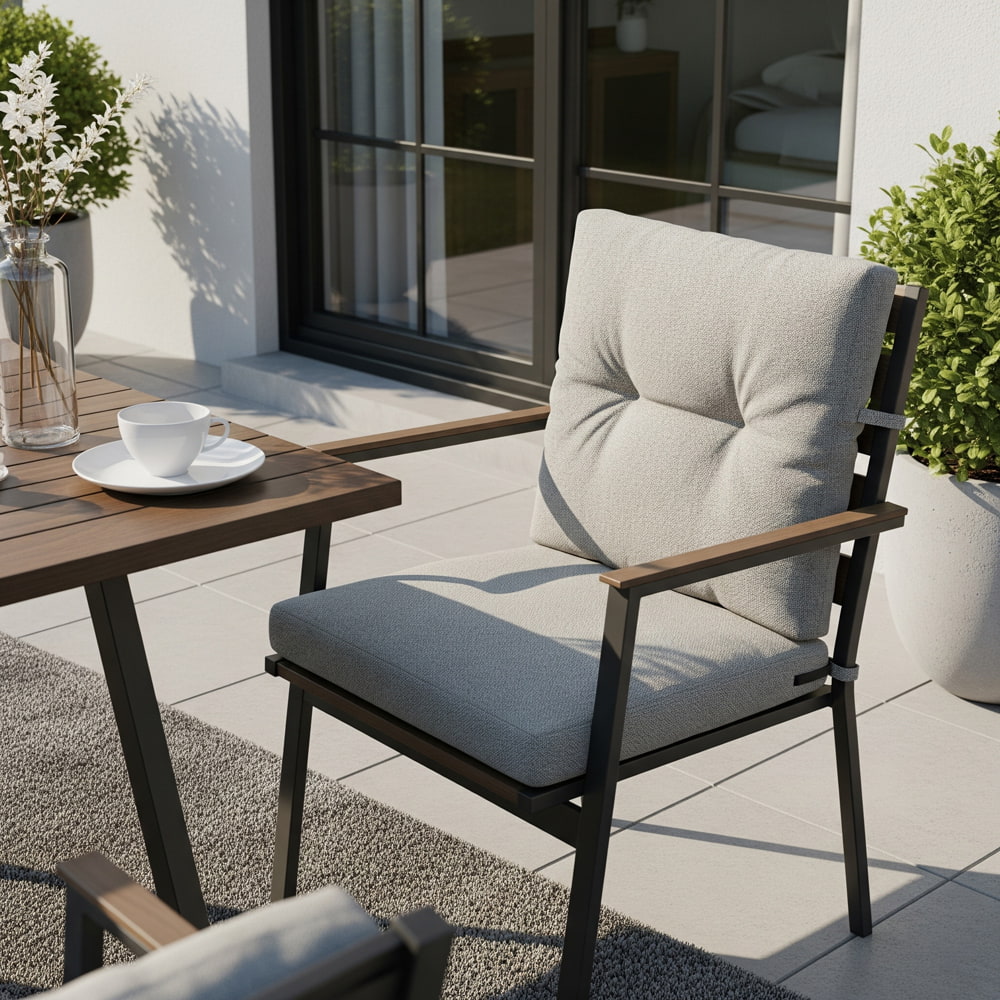
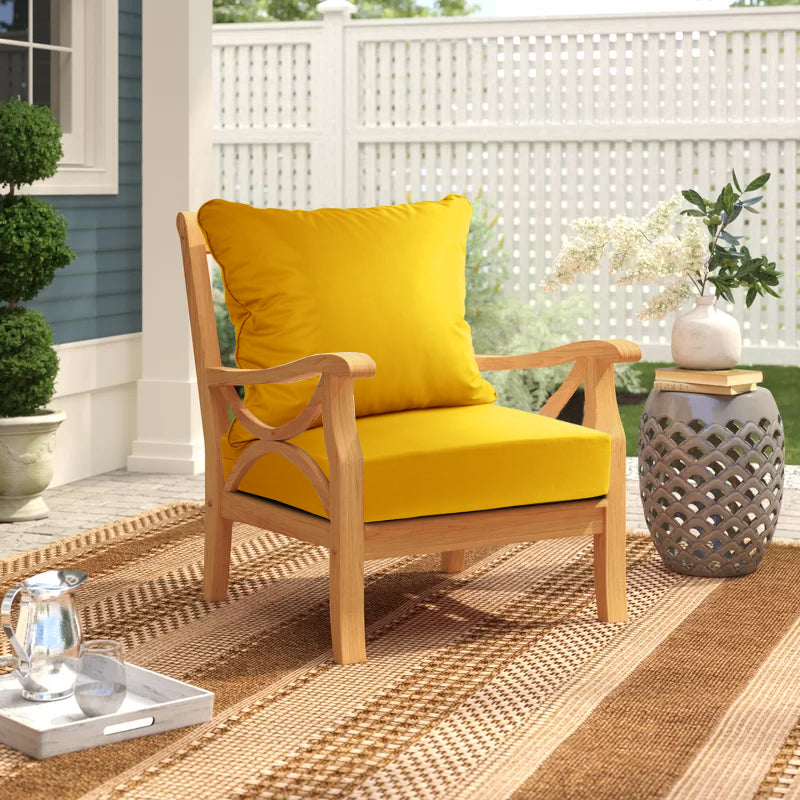
If you have covered patios or three-season rooms, late winter is when to address outdoor cushioning. By the time March warmth arrives, cushions are broken in and ready. Waiting until spring means dealing with long lead times just when you want to start using the space.
Plus, evaluating outdoor cushions during winter—when they're not in use—gives you clear perspective on what needs replacing versus what can continue another season.
The Quality Investment Mindset
Shopping during calm periods enables better decisions. You're not comparing prices frantically trying to find deals—you're evaluating quality, construction, and whether specific features justify costs.
Value Calculation for Winter Comfort
A $150 quality cushion used 10 hours daily for 60 remaining winter days equals 600 hours of use. That's $0.25 per hour of improved comfort. Then consider you'll continue using it through spring, summer, fall, and next winter—the per-hour cost drops to pennies while the cumulative comfort benefit compounds.
Cheap cushions might save $50 initially, but if they need replacing in 18 months while quality cushions last 5+ years, the math strongly favors quality.
What Quality Actually Means
Quality isn't about fancy features or premium branding—it's about fundamentals:
- Foam density that maintains shape through extended sitting cycles
- Fabric durability that withstands daily friction without pilling
- Construction with reinforced seams that handle stress at connection points
- Appropriate thickness for the furniture and usage pattern
Late winter gives you time to research these fundamentals rather than making impulse decisions based on availability or urgency.
Making the Upgrade Decision
Not every cushion needs replacing. Some are functioning fine and will continue through winter without issues. The question is identifying which cushions have crossed the threshold from "adequate" to "actively reducing your comfort."
The Honest Assessment
Sit on each cushion in your home for a full fifteen minutes—not a quick test, but genuine sitting time. Read something, work on laptop, or just sit. Notice:
- Are you comfortable initially but uncomfortable after ten minutes?
- Do you feel pressure points or uneven support?
- Does the cushion feel too soft (sinking in) or too hard (no give)?
- Are you thinking about the cushion instead of your activity?
If the answer to any is yes, that cushion is degrading your winter comfort unnecessarily. The cost of upgrading it is measurable; the cost of 600+ more hours of discomfort is harder to quantify but ultimately higher.
Your Late-Winter Upgrade Strategy
Honestly assess every cushion you use regularly. Identify which ones are genuinely comfortable versus merely tolerable.
Research solutions for the most-used uncomfortable spots. Measure carefully, consider usage patterns, evaluate material options.
Order replacements for your highest-priority seating. Custom cushions need time to produce, so earlier ordering means better timing.
Enjoy the immediate comfort improvement while knowing you've also prepared your home for spring and beyond.
Late January isn't arbitrary timing—it's the sweet spot where winter's comfort demands remain high, decision-making conditions are optimal, and the return on investment extends through multiple seasons. Smart timing beats sale timing every time.
Stop tolerating mediocre comfort when you have weeks of heavy indoor time ahead. Upgrade strategically now, when it matters most, rather than reactively later when you've already suffered through the season's remainder.
Explore custom cushioning solutions designed for real life and extended use. Your February self will thank your January self for making the investment.



Leave a comment
All comments are moderated before being published.
This site is protected by hCaptcha and the hCaptcha Privacy Policy and Terms of Service apply.