
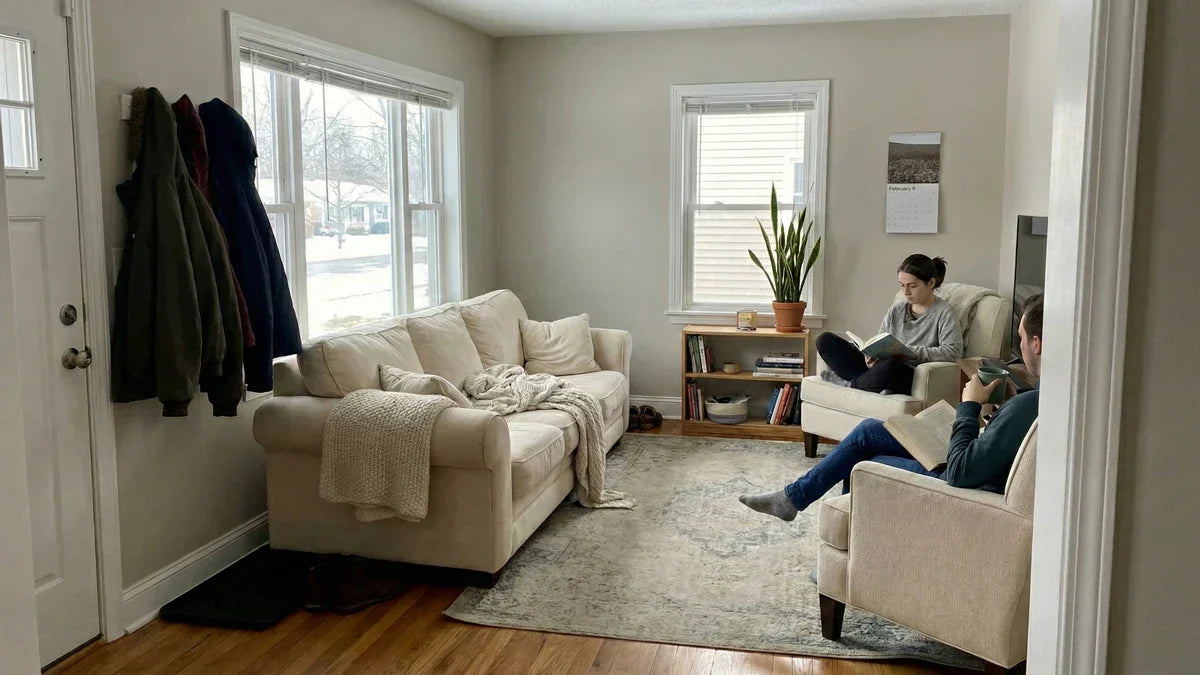
Most people think about home comfort in discrete seasons, making changes reactively as each new phase arrives. But homes that feel consistently comfortable year-round are built on decisions that transcend seasonal thinking. What you choose now affects not just February and March, but how your spaces function through summer heat, fall transitions, and next winter's cold.
The question isn't whether to prepare your home for what's ahead. The question is whether to do it strategically now, when you can make thoughtful choices, or reactively later, when discomfort forces your hand.
Understanding the Remaining Winter Arc
February and March still deliver genuine winter—statistically, some of the coldest weeks occur in February. Yet the psychological relationship to winter shifts. In November and December, winter feels fresh, even exciting. By February, it's just reality to endure until warmth returns.

The Endurance Phase
These final winter months test comfort infrastructure more thoroughly than early winter does. The novelty of cozy indoor time has worn off. You're not excited about staying inside anymore—you're simply inside because going out remains unpleasant. This is when inadequate cushioning stops being ignorable.
What February Through March Demands
Extended sitting periods without the distraction of holiday activities. Work-from-home stretches where comfort directly impacts productivity. Reading marathons and entertainment binging as outdoor recreation remains limited. Family time concentrated indoors without special occasions to occupy attention.
Your cushions either support this reality comfortably, or they don't. There's no middle ground after months of accumulated use.
The Cumulative Effect
A cushion that was merely "okay" in November has now been sat on thousands of times. Foam that was marginally supportive has compressed further. Fabric that showed minor wear now shows obvious deterioration. Small problems compound into significant discomfort through sustained, repetitive use.
If you're noticing cushion issues in February, they've likely been developing since autumn. The difference is that now you can't ignore them anymore.
The Multi-Season Investment Perspective
Short-term thinking leads to perpetual dissatisfaction. You buy cheap cushions to "get through winter," they fail by summer, you replace them with equally cheap options, and the cycle repeats. This approach costs more over time while delivering less cumulative comfort.

The Five-Year Framework
Quality cushions should serve well for five years minimum with proper care. That's roughly 1,825 days of potential use. A $200 cushion works out to $0.11 per day—less than any other daily comfort expenditure you make.
But this only works if you choose quality construction designed for longevity rather than trendy options built for short-term appeal.
What Longevity Actually Requires
Durable cushions aren't about fancy features—they're about fundamentals executed well:
- High-density foam cores that maintain shape through thousands of compression cycles
- Solution-dyed fabrics where color is locked into fibers rather than surface-applied
- Reinforced stitching at stress points that handle daily use without separation
- Proper construction with layers that work together rather than cheaply stacked materials
- Appropriate sizing that fits furniture correctly, preventing premature wear from sliding and shifting
These elements cost more initially but deliver dramatically better performance over the cushion's lifespan. For custom cushions built to your exact specifications, this longevity advantage compounds because proper fit prevents many common failure modes.
Planning Through the Seasonal Calendar
Making February decisions with only February in mind wastes the opportunity. What you choose now will serve you through multiple distinct phases, each with different demands on your furniture.
Feb-March
Peak indoor time, heavy sustained use, comfort directly impacts daily quality of life
April-May
Transitional use, indoor-outdoor flow, cushions serve both functions without replacement
June-August
Lighter indoor use, outdoor cushioning matters more, but indoor comfort still needed for hot days
Sept-Oct
Return to indoor focus, grateful for comfortable spaces as outdoor time decreases
Nov-Dec
Holiday hosting, extended family time, cushions must handle heavy intermittent use
Jan+
Full cycle repeats with cushions still performing well, no emergency replacements needed
The Seasonal Versatility Factor
Cushions chosen for February service must also work in July. This means avoiding purely winter-focused choices—heavy velvets that feel wrong in summer heat, dark colors that absorb light during long summer days, fabrics that can't handle seasonal humidity.
Neutral tones in performance fabrics provide year-round versatility. You can adjust seasonal feeling through accent pillows, throws, and decorative elements while maintaining consistent underlying comfort.

The Indoor-Outdoor Consideration
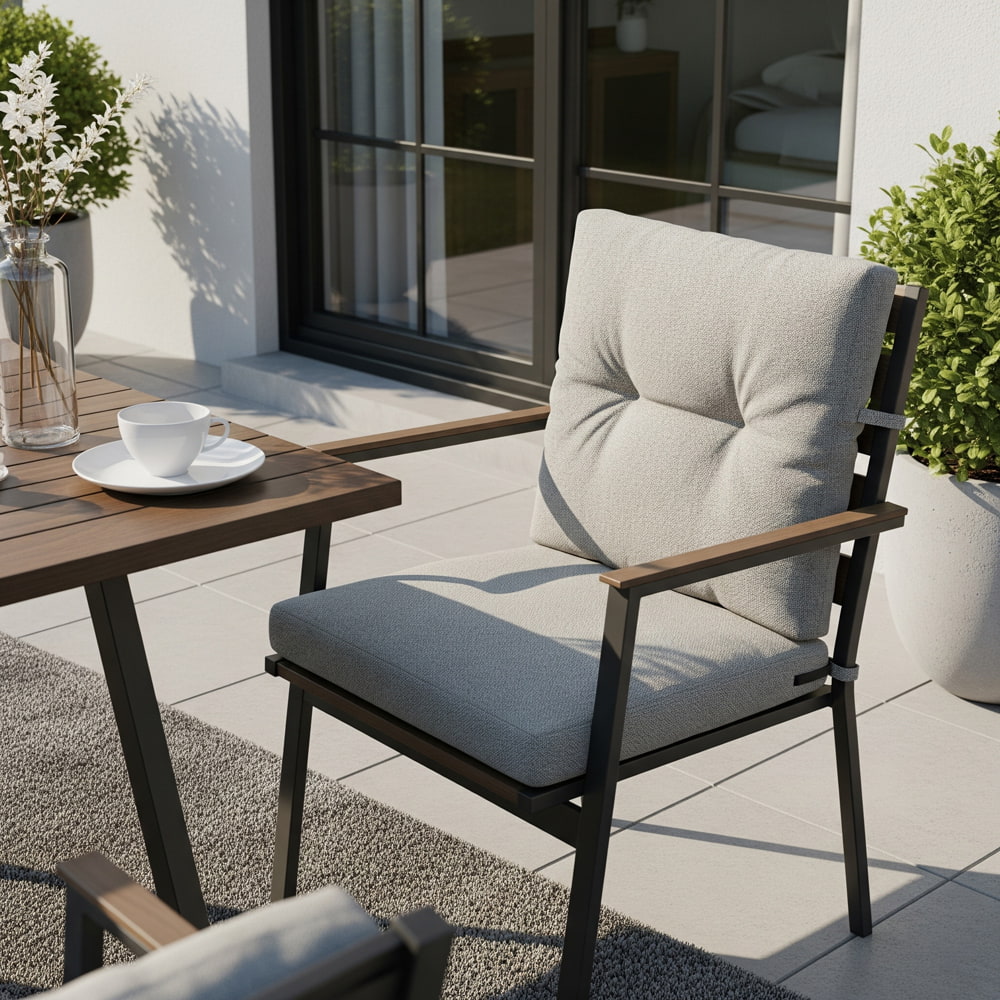
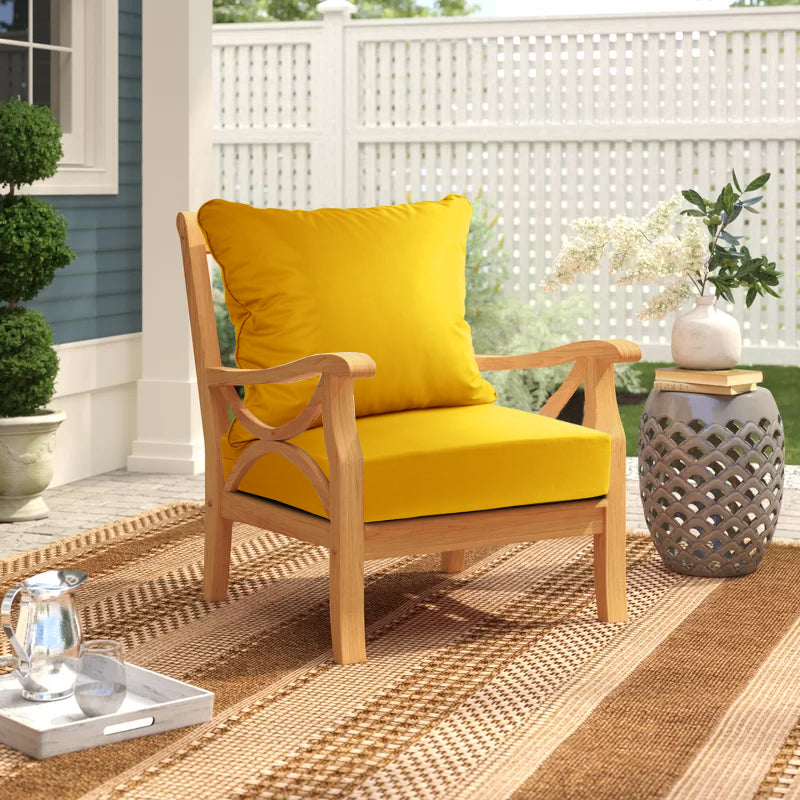
February is also when to address outdoor cushioning, even though using outdoor spaces feels distant. Waiting until warm weather arrives means dealing with long lead times and potential stock issues exactly when you want to start enjoying patios and porches.
Outdoor Preparation Timeline
Assess outdoor cushions stored from last season. Determine what needs replacing versus what can continue another year.
Order replacements or additions for outdoor spaces. Custom outdoor cushions need production time—ordering now ensures ready-when-weather-is delivery.
Cushions arrive, can be stored until needed. No rushing, no settling for available options, no last-minute compromises.
Outdoor cushions deploy seamlessly as weather permits. Spaces are immediately usable rather than waiting on delayed orders.
For covered patios and three-season rooms, the line between indoor and outdoor blurs. These spaces might see use even in February during sunny afternoons. Choosing outdoor-rated cushions for these transitional areas means they handle both current use and upcoming seasonal transitions without needing replacement.
The Custom Fit Advantage Across Seasons
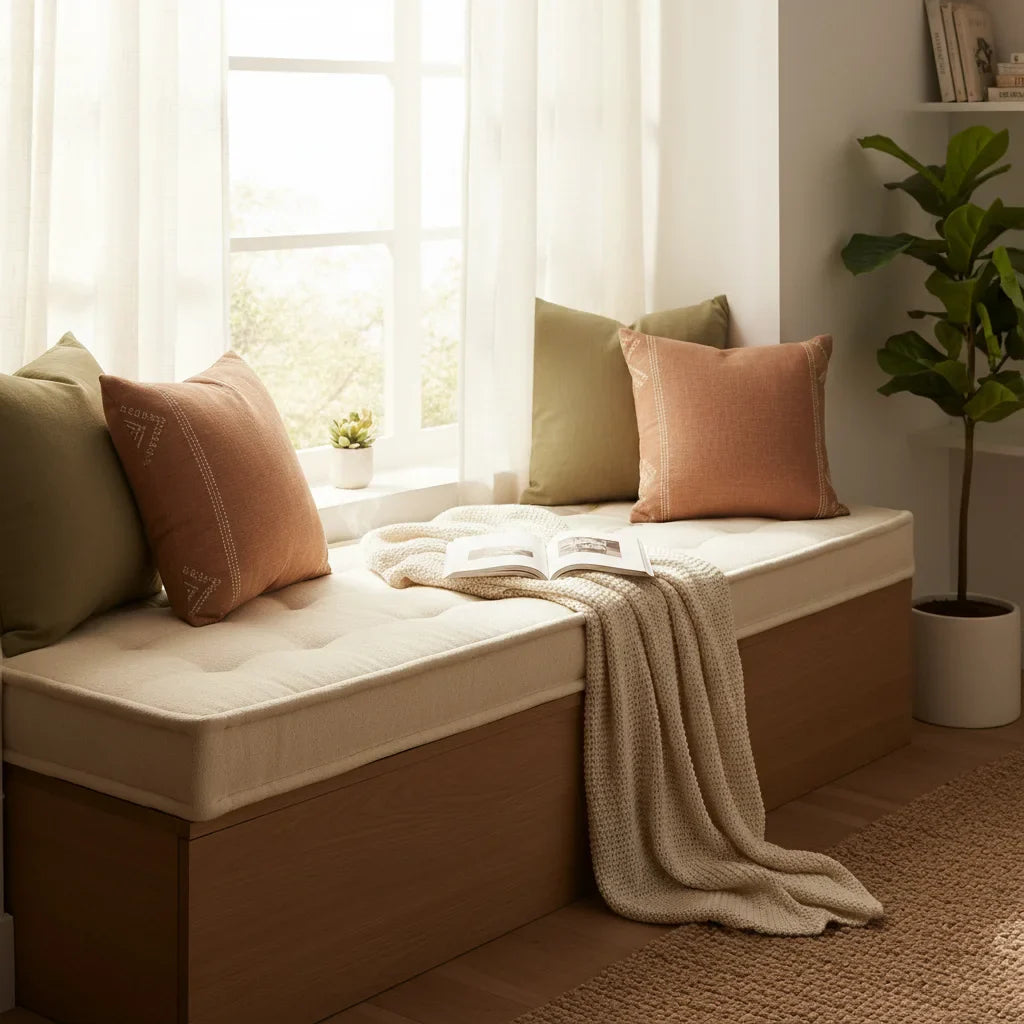
Standard cushions work adequately for standard furniture in standard situations. But most homes have at least some non-standard elements—window seats, built-in benches, unusual chair dimensions, bay window areas. These spaces either get properly fitted cushioning or remain perpetually frustrating.

Why Custom Matters Long-Term
Properly fitted cushions last longer because they don't experience the stress that comes from constant sliding, shifting, and edge wear. When a cushion fits correctly, weight distributes evenly across its entire surface. When it doesn't fit, pressure concentrates at contact points, accelerating degradation.
Over a five-year lifespan, this difference becomes dramatic. Custom cushions maintain comfort and appearance years longer than ill-fitting alternatives.
Measuring for the Long Haul
February's slower pace allows careful measurement without holiday rushing or spring urgency. Take time to measure properly, considering:
- Exact dimensions of seating surface including any curves or angles
- Depth appropriate for how the space is actually used
- Thickness that provides comfort without awkward sitting height
- Tie or attachment needs to prevent shifting over time
For custom bench cushions in breakfast nooks or dining areas, proper measurement means the difference between cushions that work seamlessly year-round versus cushions that constantly need adjustment.
Understanding Quality Indicators
Not all cushions marketed as "quality" actually deliver long-term performance. Learning to identify genuine quality markers prevents expensive mistakes.
Foam Density
Look for specifications listing foam density in pounds per cubic foot. Residential cushions should be minimum 1.8 lb/ft³, with 2.0+ being better for heavy use.
Fabric Construction
Check for solution-dyed acrylic or performance-rated polyester. Avoid generic descriptions like "durable fabric" without specifications.
Stitch Quality
Examine seam construction. Double-stitched with reinforced stress points indicates quality. Single-stitch or visible gaps suggest shortcuts.
The Warranty Question
Manufacturers confident in their construction offer meaningful warranties. One-year warranties suggest expected short lifespan. Three to five-year warranties indicate genuine quality expectations.
However, warranty terms matter more than length. What specifically is covered? Are there maintenance requirements? Does the warranty transfer if you move? Read the actual terms rather than assuming coverage.
"Buy once, use for years" beats "buy cheap, replace often" in every meaningful metric—total cost, environmental impact, convenience, and sustained comfort."
The Investment Calculation
Quality cushions require real investment. Understanding the math helps justify the expenditure versus cheaper alternatives that seem tempting.
Five-Year Cost Comparison
Beyond pure cost, consider the time value of not repeatedly shopping for replacements, the frustration avoided, and the superior comfort throughout the entire five-year period versus degrading comfort as budget cushions fail.

Where to Invest First
Not every cushion needs to be premium quality simultaneously. Prioritize based on usage:
- Highest priority: Daily-use seating (main chairs, work-from-home spots, primary reading areas)
- Medium priority: Regular-use furniture (dining chairs, secondary seating, frequently-occupied benches)
- Lower priority: Occasional-use areas (guest rooms, decorative seating, rarely-used spaces)
Investing heavily in high-use areas while accepting adequate-but-not-premium quality for low-use spaces stretches budget effectively while maximizing comfort where it matters most.
Maintenance for Multi-Year Performance
Even quality cushions require care to reach their full lifespan potential. Neglected premium cushions fail prematurely; properly maintained mid-range cushions often outlast their expected lifespan.
Extend Lifespan with Removable Covers
Washable covers dramatically extend cushion life by protecting core materials from spills, stains, and everyday soil. When covers show wear, replace just the cover rather than the entire cushion.
Long-term value: One cushion core + multiple covers over years costs less than repeatedly replacing complete cushions.
Explore Cover Options →The Maintenance Rhythm
Establish simple routines that prevent premature wear:
- Weekly: Vacuum cushions to remove dust and debris, fluff to restore shape
- Monthly: Rotate and flip cushions to distribute wear evenly
- Seasonally: Deep clean according to fabric specifications, inspect for damage
- Annually: Assess whether cushions still meet comfort needs or if replacement should be planned
This maintenance takes minimal time but significantly extends functional lifespan, making quality investments pay off even more dramatically over time.
Planning Beyond Immediate Needs
February decisions shouldn't just solve February problems—they should establish systems that work through multiple years and life changes.

Anticipating Future Use
How might your home use patterns change over the next few years? Kids growing into different activity needs? Retirement changing work-from-home patterns? Aging parents potentially moving in? Planning cushion investments with these possibilities in mind prevents needing premature replacements when situations change.
Versatile, quality cushions in neutral colors accommodate evolving needs better than trend-focused or highly specific choices that work for current circumstances only.
Building Comfort That Endures
The homes that feel consistently comfortable aren't those with the most expensive furniture or the trendiest decor. They're homes where someone made thoughtful decisions about foundational comfort elements—decisions that prioritize function over fashion, longevity over immediate gratification, strategic investment over reactive spending.
February sits at the intersection of immediate need and long-term planning. You still have genuine winter ahead requiring comfortable indoor spaces. Yet you're also positioning for spring, summer, and future winters. This dual timeline makes it the ideal moment for decisions that serve both immediate and extended timeframes.
At Rulaer, we build cushions for the long term—construction that maintains integrity through years of daily use, fabrics that resist fading and wear, sizing that fits your specific furniture perfectly. We understand that cushion purchases aren't about decorating for a season; they're about establishing comfort infrastructure that supports how you actually live.
Stop thinking in single seasons. Start thinking in multi-year comfort systems. The decisions you make this February determine whether you're still satisfied with your choices in February 2028, or whether you'll be shopping for replacements again next year, frustrated by premature failure of inadequate options.
Prepare your home not just for the months ahead, but for the years ahead. Choose quality that lasts, fit that works, construction that endures. Your future self will appreciate the foresight.
Explore our chair cushion and bench cushion collections designed for long-term performance across all seasons and situations.


Leave a comment
All comments are moderated before being published.
This site is protected by hCaptcha and the hCaptcha Privacy Policy and Terms of Service apply.