
A note from the workshop floor: at least twice a week someone emails us a photo of a flat, faded cushion and asks "do I need a whole new one, or can this be saved?" Most of the time the honest answer is — probably not the whole thing.

Here's the thing nobody tells you when you're standing in your living room poking at a deflated cushion: covers, foam, and full cushions fail for completely different reasons, on completely different timelines. Fabric gives up first, usually. Foam gives up quietly, over years, without ever really announcing it. And sometimes — not as often as furniture stores would have you believe — the whole thing really is done. Getting this decision right saves money. Getting it wrong means you either throw out perfectly good foam or wrap tired, collapsed padding in a brand-new cover and wonder why it still feels bad six weeks later.
We build custom cushions and covers for a living, so we see this mistake constantly. This is the breakdown we'd give a friend standing in your exact spot.
The 60-Second Gut Check
Press the cushion firmly in the center, hold for 5 seconds, let go.
- Springs back within a second or two, fabric is just tired-looking → replace the cover
- Stays dented, feels thin, or you can feel the frame/seat board through it → replace the foam
- Both are bad, or the cushion doesn't fit the furniture correctly anymore → replace the whole cushion
That's the shortcut. The rest of this guide is for the cases that aren't that obvious — which, honestly, is most of them.
When It's Really Just the Cover
Fabric fails visibly and it fails first, especially outdoors. If the foam underneath is still doing its job, replacing only the cushion cover is the cheaper, faster fix — and honestly the one we'd recommend nine times out of ten when it applies.
Signs you're only dealing with a fabric problem:
- Fading or discoloration from UV exposure, usually worst on the sun-facing side of a patio bench
- Rips, frayed seams, or a broken zipper — structural fabric damage rather than shape loss
- Stains that won't lift — grease, wine, pet marks that survived a proper cleaning attempt
- Musty odor or visible mold/mildew spots, particularly on fabric that stayed damp too long
On that last point, it's worth being precise, because a lot of people assume any moldy-smelling cushion means the whole thing is trash. It usually doesn't. Sunbrella and other solution-dyed acrylics don't feed mildew growth on their own — mildew forms on the dirt and organic residue that sits on top of the fabric, not the fibers themselves. Sunbrella's own care guidance walks through soaking affected fabric in a mild soap-and-bleach solution and rinsing it thoroughly before writing it off as ruined. If a wash doesn't bring it back, that's when you know it's genuinely a cover problem, not a "give it one more scrub" problem.

The quickest way to confirm: unzip the cover if it has one, or peel back a corner if it doesn't, and press directly on the bare foam. If it feels the same as it looks fine from the outside, the fabric is your only real problem.
When It's the Foam, Not the Fabric
This is the one people miss most often, because a new cover on collapsed foam still looks great in photos for about a week. Then you sit down and immediately remember why you were unhappy in the first place.
Foam degrades in a few predictable ways:
- Permanent compression — a visible dent where you always sit that doesn't pop back out
- Crumbling or yellowing at the edges, sometimes with small pieces breaking off
- Loss of height — the cushion measures noticeably thinner than it did new
- Bottoming out — you can feel the seat board, springs, or bench slats when you sit

Foam density is really the whole story here. Cheaper, lower-density foam (roughly under 1.8 lbs per cubic foot) tends to break down within two or three years of regular use, while higher-density foam holds its shape for a decade or more — density is really a measure of durability, not of how firm the foam feels. If your cushion is more than three or four years old and it's the kind that came with basic big-box furniture, foam fatigue is the more likely culprit even if the cover still looks decent.
If the cover is fine and it's specifically the foam that's given out, replacing just the insert is the more economical route — we've written a full where to buy replacement foam breakdown if you want to source and cut it yourself. If DIY isn't your thing, ordering it done-for-you as part of a new cushion is usually less hassle than it sounds.
When the Whole Cushion Should Go
Full replacement makes sense when problems stack, or when the size itself is wrong. A few situations where trying to save part of the old cushion just isn't worth the effort:
- Fabric and foam are both past saving
- The cushion never fit correctly to begin with — gaps, overhang, or a shape that doesn't match the furniture
- You're changing the furniture's use (say, turning a mudroom bench into a reading nook) and want different thickness or firmness
- The zipper, piping, or internal construction has failed in a way that's not worth repairing piece by piece
This is also where custom bench cushions tend to make more sense than trying to match an odd size off the shelf — if the underlying furniture has non-standard dimensions, a full custom order solves the fit problem and the wear problem in one go, instead of solving one and running into the other again in a year.
Indoor, Outdoor, RV, and Sofa Cushions Age Differently
The same cushion problem doesn't mean the same thing in every setting.
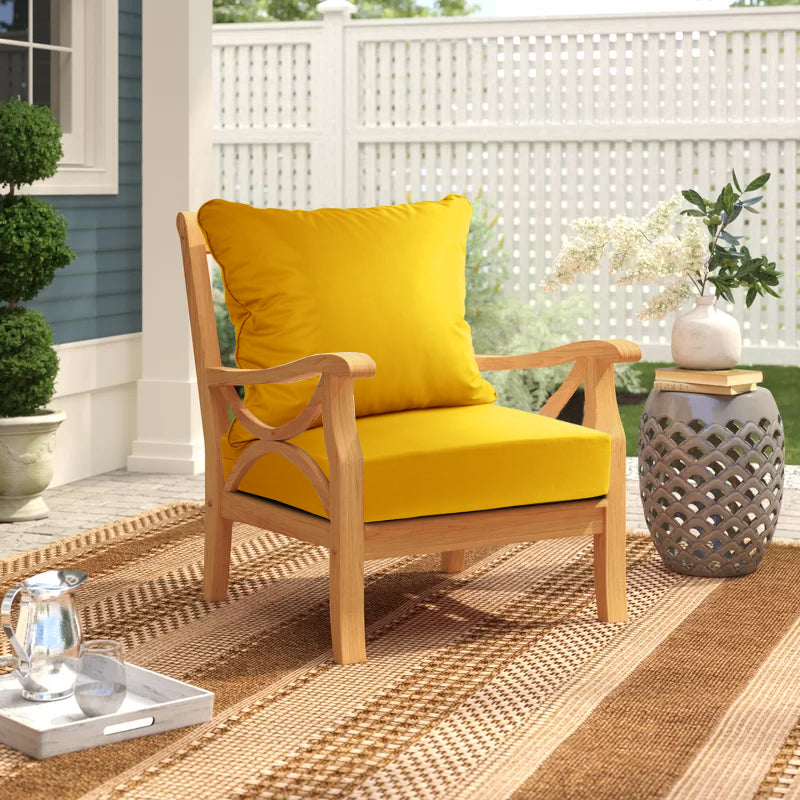
Outdoor cushions almost always fail fabric-first — sun and moisture are brutal on color and coating long before the foam underneath notices. Getting patio seating ready before the season starts is a good time to check both halves separately rather than assuming it's all one problem.

Indoor sofa and chair cushions usually go foam-first, since fabric indoors isn't fighting UV or rain. If your indoor cushions look fine but feel worse than they used to, that's almost always foam fatigue rather than a fabric issue.
RV and boat cushions get both problems at once, faster, because they combine constant sun exposure with vibration and compression from travel. If you're prepping for road-trip season, it's worth checking both the cover and the foam rather than assuming a fresh cover will hold up on its own — our custom RV cushions are built with that combination in mind.
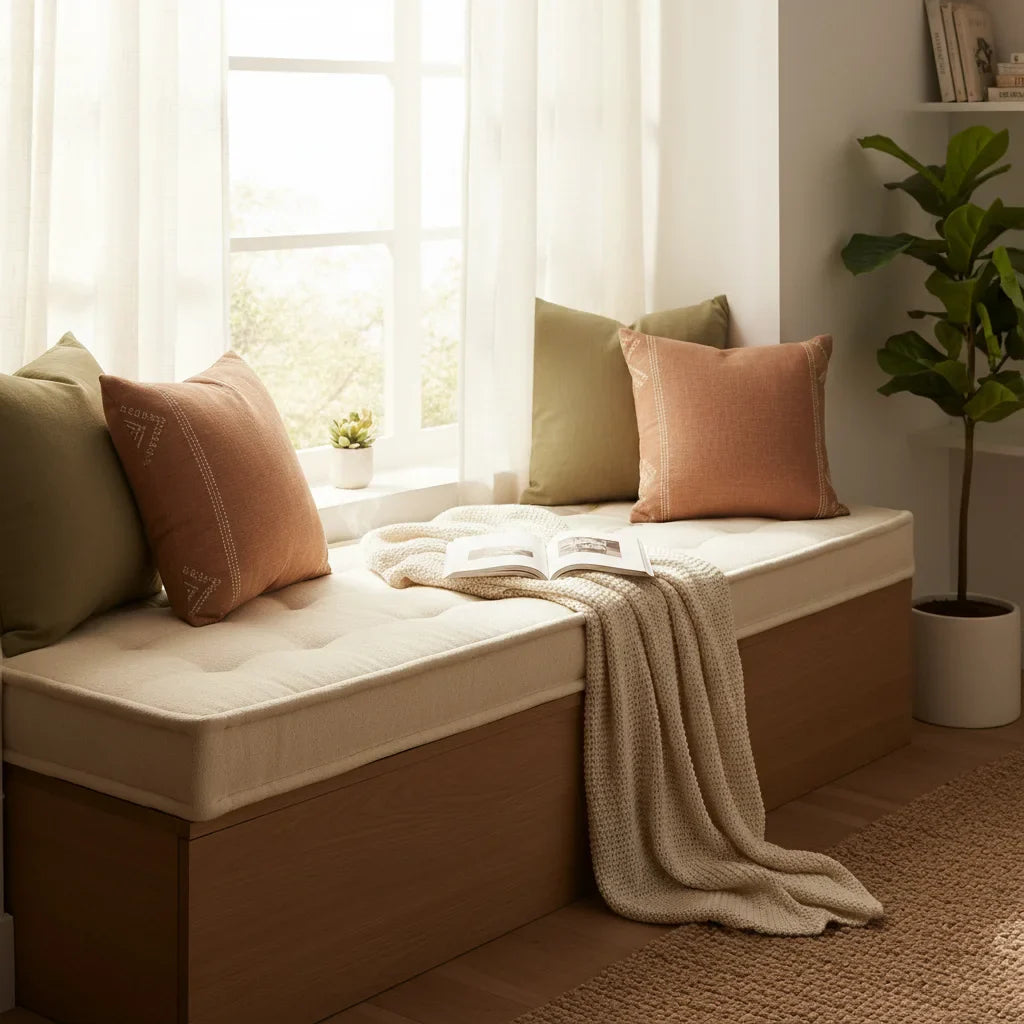
Window seat and bay window cushions sit somewhere in between — indoor conditions, but often heavy daily use and direct sunlight through glass, which fades fabric faster than people expect for an "indoor" piece. If yours is showing wear, our custom window cushions are made to the exact bay or bench dimensions so you're not stuck trimming a standard size to fit.
Measuring for a Cover-Only Replacement
If the foam is staying put, measure it directly rather than the old cover — covers stretch and shrink, foam doesn't. You'll want:
- Width, depth, and height (thickness) of the foam at its widest points
- Any tapers, curves, or notches (arm cutouts, wedge shapes) noted with rough measurements
- Zipper placement, if you want it to match the original
A tape measure across the bare foam takes two minutes and prevents almost every "the new cover doesn't fit right" complaint we hear.

Measuring for a Foam-Only Replacement
Here it's the opposite — measure the inside of the existing cover, not the old flattened foam. New foam should generally be cut about half an inch larger in each dimension than the flattened foam it's replacing, so the cover has something to hug rather than something to swim in. If you're not confident cutting and wrapping foam yourself, this is one case where a quick temporary fix — like the plywood-support trick in our guide to reshaping sagging couch cushions — can buy you time while you decide on a permanent replacement.
Cost, Lifespan, and Convenience — Side by Side
| Option | Typical Cost | Expected Lifespan | Effort |
|---|---|---|---|
| Cover only | $ | 3–5 years outdoor, longer indoors | Low |
| Foam only | $$ | 7–15+ years (high density) | Medium |
| Full cushion | $$$ | Resets the clock on both | Lowest (one order, done) |
Cover vs. Foam vs. Full Cushion — Save This Chart
Fabric damaged, foam bounces back → Replace the cover
Fabric fine, foam stays dented or feels thin → Replace the foam
Both fabric and foam are worn, or the size/shape no longer fits → Replace the full cushion
Screenshot this the next time you're staring at a tired cushion and can't decide.

Before You Order: A Quick Checklist
- Did the press test on the bare foam, not just the covered cushion
- Measured foam directly (for a cover order) or the inside of the cover (for a foam order)
- Noted any curves, tapers, or arm notches
- Confirmed zipper side and placement, if it matters to you
- Checked whether the furniture itself is structurally sound before investing in new padding
Frequently Asked Questions
Can I just add a foam topper instead of replacing the whole insert?
For minor softness, sometimes. For a cushion that's visibly collapsed or bottoming out, a topper is a short-term patch, not a fix — the compressed foam underneath will keep settling.
How do I know if my furniture is even worth re-cushioning?
Check the frame first. A solid wood or metal frame with no cracks, rot, or rust is almost always worth re-cushioning. If the frame itself is failing, new cushions won't solve the underlying problem.
Is it cheaper to replace the cover myself or order custom?
DIY sewing is cheaper in materials but expensive in time if you're not experienced. A custom order costs more up front but arrives fitted and finished, with no trial-and-error on the pattern.
What if I'm not sure whether it's the cover or the foam?
When in doubt, go with the full cushion. It's rarely wasted money — even if the foam had another year or two left, you avoid ordering twice.
Whichever One You Need, We've Got a Path for It
All three routes are on the table at Rulaer, made to your exact measurements rather than the nearest standard size. Right now, orders over $300 get $60 off automatically, and orders over $500 get $125 off — no code needed, applied at checkout.
Full Bench Cushion
New foam and new fabric together, built to your bench's exact size.
Shop Bench Cushions →Any Other Shape
Chairs, RV seats, window nooks — custom-cut for odd or non-standard sizes.
Shop Custom Cushions →
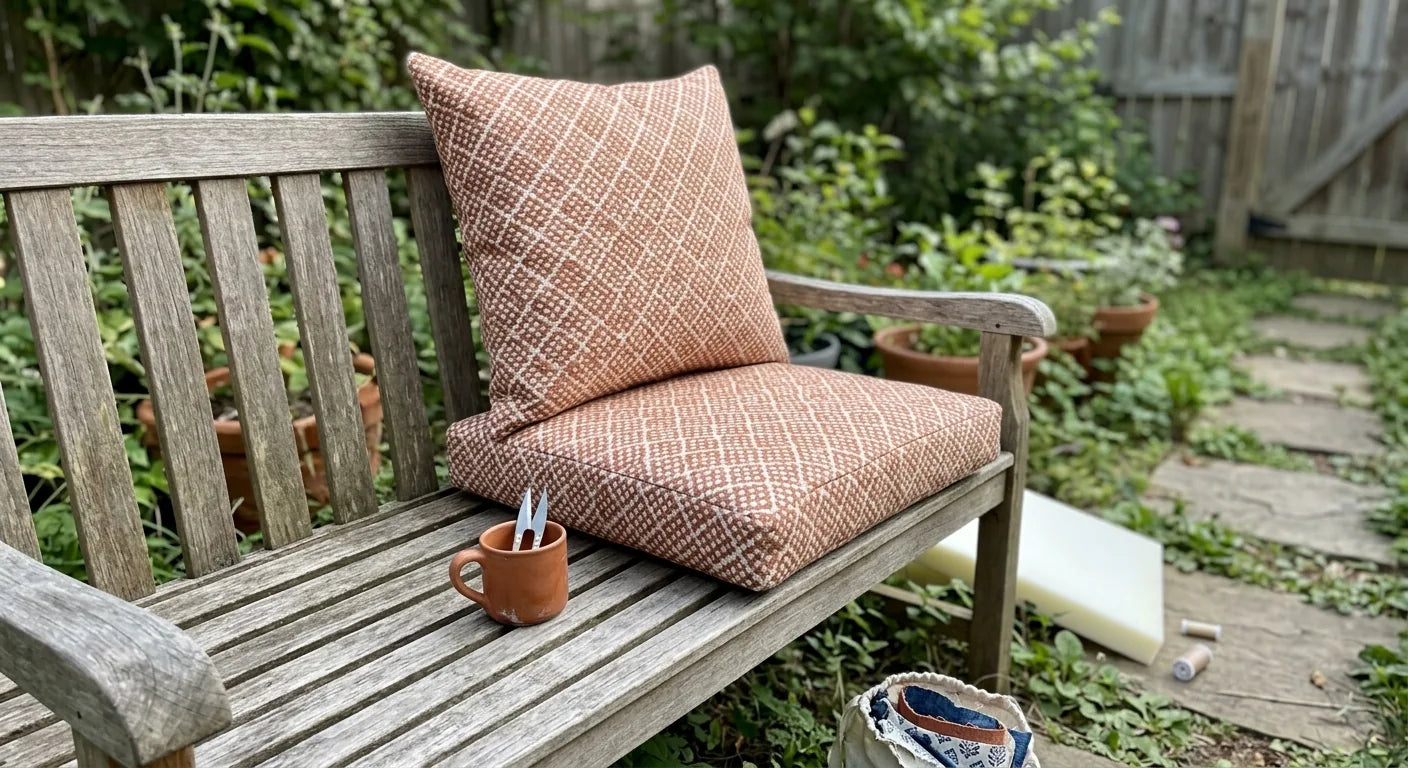
Image prompt: iPhone photo of a freshly installed cushion on an outdoor wooden bench in a backyard, natural daylight, simple candid framing, realistic and unstaged, no people visible.
Not sure which of the three you actually need? Send us a couple of photos — the pressed-foam test and a shot of the fabric damage — and we'll tell you straight, even if that answer is "you don't need to buy anything from us yet."


Leave a comment
All comments are moderated before being published.
This site is protected by hCaptcha and the hCaptcha Privacy Policy and Terms of Service apply.